If you are comparing Cranston neighborhoods, you are not alone. Buyers often see charming historic streets on the east side and roomy suburban cul‑de‑sacs out west and wonder which will fit their life best. This guide gives you a clear snapshot of where each area sits, the home styles you will see, and how daily life feels on the ground. You will also get price context, commute notes, and simple next steps to move forward with confidence. Let’s dive in.
How Cranston is organized
Cranston stretches from the Providence line and upper Narragansett Bay on the east to more suburban and semi‑rural areas in the west. The city’s population sits around 84,000, and the median value of owner‑occupied homes is about $378,300, with an average commute close to 24 minutes, according to U.S. Census QuickFacts. Neighborhood names and boundaries are informal, so treat them as guidance rather than strict lines.
Daily travel is straightforward. You have I‑95 for north‑south trips into Providence and beyond, I‑295 looping west of the city, Route 10 connecting to downtown Providence, and Route 37 for quick east‑west access. Many residents rely on cars, but bus routes serve key corridors; check RIPTA’s official site for current schedules.
Home styles you will see
Cranston’s housing stock changes as you go from east to west. Here is what to expect.
Historic east character
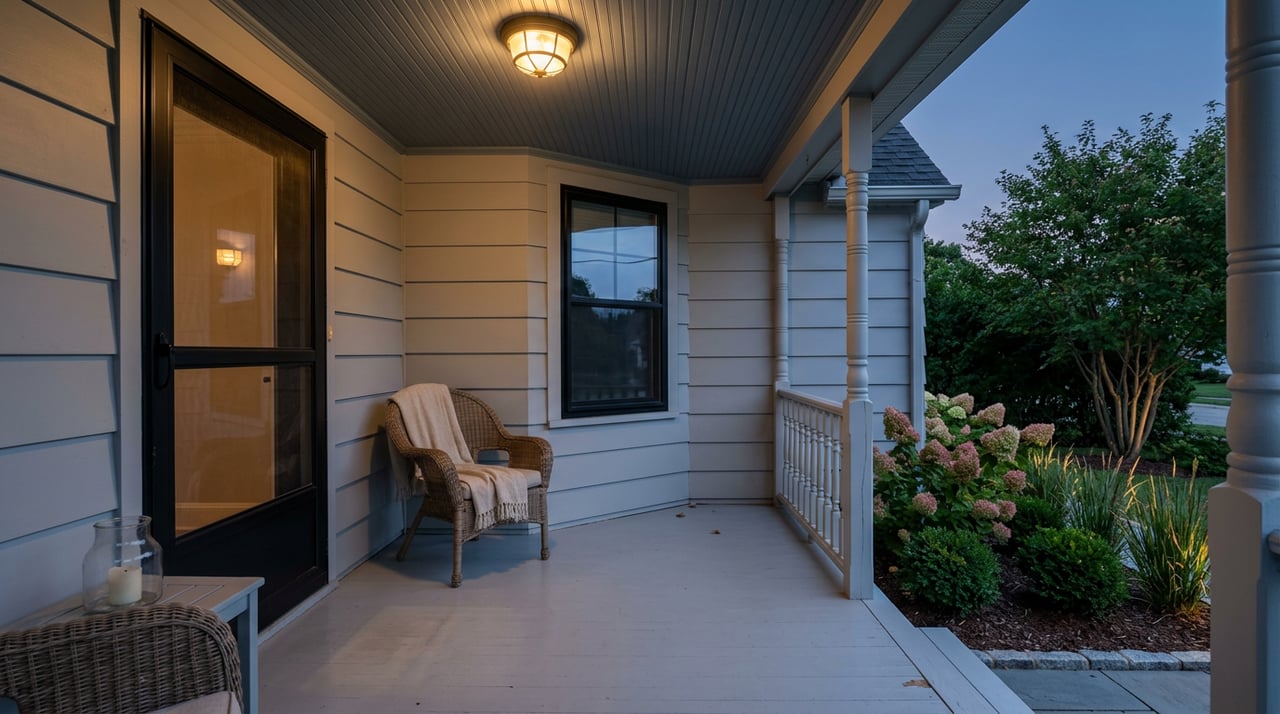
On the east side, especially in Edgewood, you will find turn‑of‑the‑century Victorians, Queen Anne and Colonial Revival homes in recognized historic districts. These streets feature porches, period millwork, and mature trees, with many homes built from the 1880s through the 1930s. Learn more about the area’s historic status in the Edgewood Historic District summary.
Midcentury suburbs
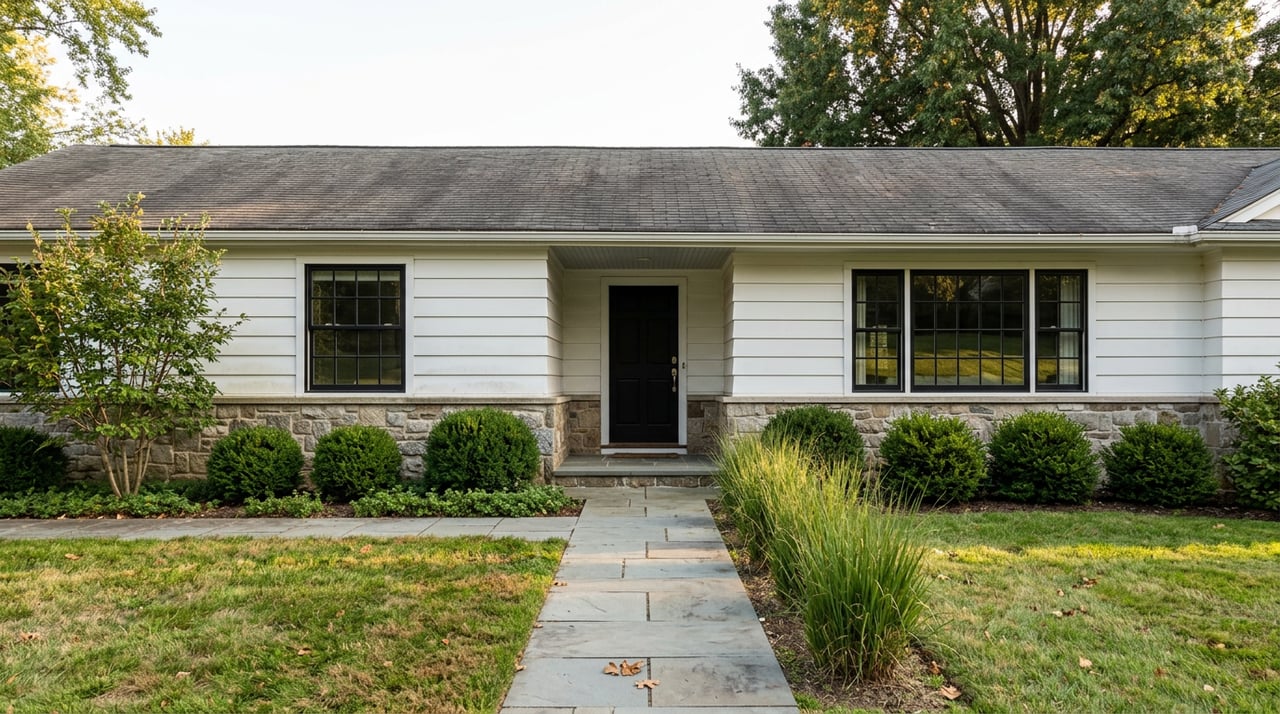
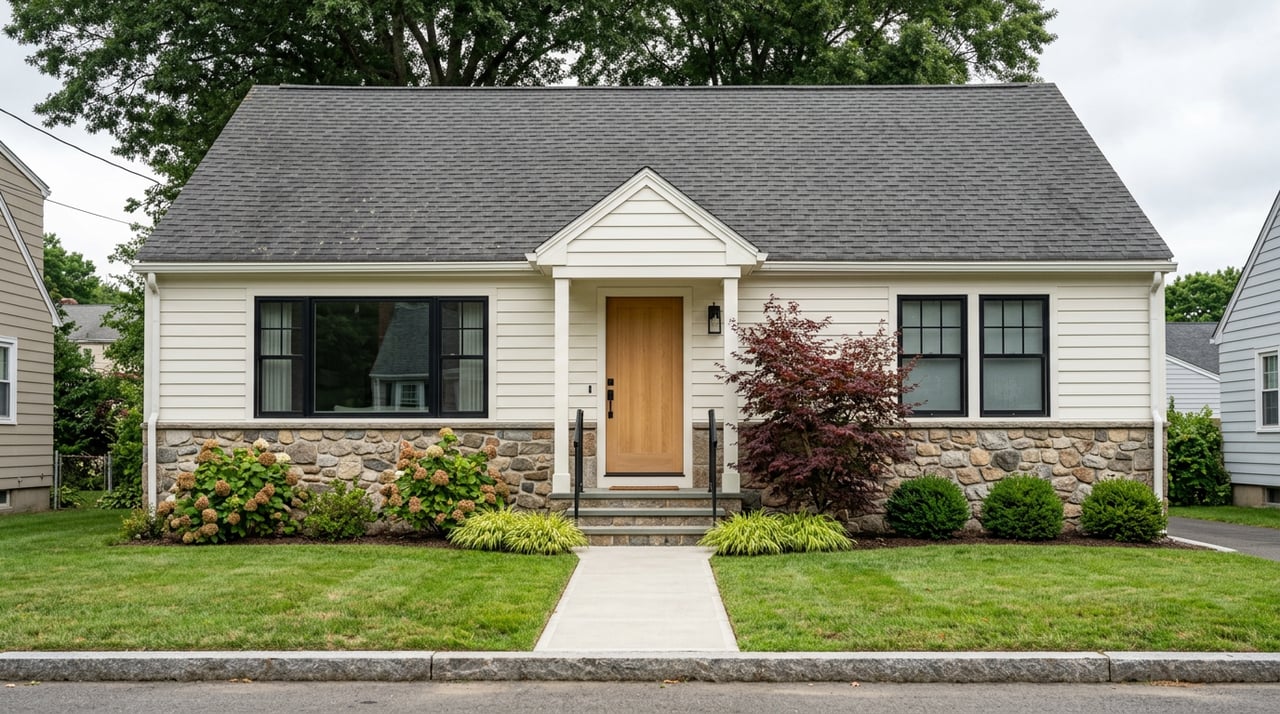
Central Cranston includes many ranches, split‑levels, and raised ranches from the 1940s through the 1970s. These homes often offer single‑level living, practical footprints, and larger backyards, which can be a smart fit if you want easy day‑to‑day function.
Planned subdivisions in the west
Western Cranston brings larger lots and planned subdivisions with colonials, ranches, and custom builds from the later 20th century onward. If you want more indoor‑outdoor space, attached garages, and quieter streets, this side of the city is a strong match.
Multifamily and condos
You will also see two‑family homes and small multifamily pockets along central corridors. A limited condo market appears in scattered spots, including some conversions in older buildings. These options can lower the entry price or offer potential rental income.
Neighborhood snapshots
Use these quick profiles to decide where to start touring. Keep in mind that neighborhood labels are approximate and often overlap.
Edgewood & Pawtuxet
You will see historic Victorians, Queen Anne and Colonial Revival homes, plus bungalows and occasional condos in renovated buildings. Streets feel walkable near the water, yacht clubs, and marinas, with strong New England character. Pawtuxet Village is a nearby dining and events hub; explore its history in this overview of Pawtuxet Village. Roger Williams Park and Zoo, just across the Providence line, offers gardens, museums, and open space for easy weekend outings; see the city’s official park page.
Garden City
Picture classic suburban streets with Cape Cods, Colonials, and ranches a short hop from Cranston’s main retail destination. The open‑air Garden City Center anchors the area with shopping, dining, and services. Car access to I‑95 and Route 2 simplifies errands and commuting.
Auburn / Rolfe Square
Closer to the center of the city, Auburn blends older 1920s houses with some Cape Cods and raised ranches. Rolfe Square functions like a small, walkable downtown with cafés, services, and a library branch. It is a practical base if you want short drives to Providence and local amenities at your doorstep.
Meshanticut / Mayfield
These west‑central streets feature Cape Cod cottages, 1920s colonials, and midcentury ranches. Houses near the pond and park are a draw for morning walks and after‑work loops. The neighborhood focal point is Meshanticut State Park; preview the lake loop via the Meshanticut Park trail overview. The Washington Secondary Bike Path also runs nearby for longer rides.
Oaklawn / Garden Hills / Park View
Here you will find a mix of single‑level ranches, modest colonials, and two‑family homes along key corridors. Everyday errands are easy along Oaklawn Avenue, which acts as a retail and restaurant spine. If you value quick access to shopping and a short drive into Providence, this central band balances both.
Comstock Gardens & Western Cranston
Planned subdivisions, larger colonials, and newer builds on bigger lots set the tone here. Yards feel more private, streets quieter, and green space more common, with golf and seasonal farm stands in the mix. This is a popular target for move‑up buyers who want space without giving up reasonable access to I‑295, Route 37, or T.F. Green International.
Thornton / Stadium / Budlong
Many homes in these areas date to the early‑to‑mid 20th century, including one‑ and two‑story plans and midcentury ranch pockets. You will also find city parks, fields, and schools nearby, which add to day‑to‑day convenience. For buyers focused on practical single‑family options and central access, these blocks often rise to the top of the list.
What homes cost in Cranston
Different data sources track different things, so use current MLS data for live pricing when you are ready to write an offer. As a citywide backdrop, the Census lists a median owner‑occupied home value around $378,300. Recent market roundups place Cranston’s MLS median sale price in the low‑to‑mid $400Ks, with quarterly shifts and neighborhood variation; review a recent snapshot on PropertyShark’s Cranston market page.
Expect a range across sub‑neighborhoods based on location, house size, and lot. Waterfront or near‑water pockets in Edgewood and select western subdivisions can trade higher. Central and northern areas with midcentury inventory often provide approachable entry points while staying close to daily conveniences.
Schools and daily life
Cranston Public Schools serves the city. School assignments can change and depend on district policies, so always confirm directly with the district. For a current list of schools and contacts, use this Cranston schools directory and follow district guidance on attendance zones.
For free time, you have options across the city. Garden City Center covers retail and dining needs, Roger Williams Park offers walking paths and cultural attractions, and Meshanticut Park and the Washington Secondary Bike Path give you quick outdoor escapes. Family recreation venues like Mulligan’s Island and seasonal farm stands in western Cranston round out the mix.
Choosing your fit
Use these quick filters to narrow your search:
- If you want walkable, historic streets near the water: Start with Edgewood and Pawtuxet.
- If you want shopping and dining minutes from home: Tour Garden City and nearby blocks.
- If you want space, larger lots, and quieter streets: Focus on Comstock Gardens and Western Cranston.
- If you want practical, well‑located single‑family options: Look in Auburn, Thornton, Stadium, and Budlong.
Where you land should reflect how you live day to day. Think about your ideal morning routine, weekend errands, commute routes, and the home features that will matter most in three to five years. A clear wish list and a local strategy will help you act fast when the right home appears.
Next steps
If Cranston is on your list, start with a neighborhood tour and a price check tailored to your target blocks and home style. Our team pairs deep local knowledge with data‑forward guidance and full‑service support from first showing to closing. When you are ready to compare options, craft a winning offer, or prepare a sale for maximum exposure, connect with The Blackstone Team to schedule a private market consultation.
FAQs
What are the key differences between East and West Cranston for homebuyers?
- East Cranston offers historic homes and walkable, near‑water streets, while West Cranston skews to larger‑lot suburban subdivisions with newer colonials and ranches.
How long is the commute from Cranston to downtown Providence?
- Many drives run about 15–25 minutes depending on starting point and time of day, with I‑95, Route 10, and Route 37 as common routes; bus options are listed on RIPTA’s site.
How competitive is the Cranston real estate market right now?
- Market conditions shift by quarter and neighborhood; recent roundups put citywide medians in the low‑to‑mid $400Ks, so check MLS data and the latest PropertyShark snapshot before you bid.
Which Cranston neighborhoods are closest to major shopping and dining?
- Garden City and surrounding streets have the widest selection thanks to the Garden City Center, while Pawtuxet Village provides a compact historic dining area on the east side.
How can I confirm school assignments for a Cranston address?
- Contact the district and review current boundaries; use this Cranston schools directory as a starting point and verify the latest attendance zones with the district directly.