By The Blackstone Team
For Boston buyers ready to trade density for space without sacrificing city access, Cranston, RI, has become one of the most compelling moves in New England. Sitting roughly 50 miles south of Boston along the I-95 corridor and directly adjacent to Providence, Cranston delivers what the Greater Boston market rarely can at reasonable price points: single-family homes with yards, intact architectural character, and established neighborhoods with roots. The Amtrak connection keeps Boston within reach. Everything else — the space, the pace, the value — is what draws buyers here and keeps them.
Key Takeaways
- Cranston is approximately 50 miles from Boston, with a drive of around an hour in light traffic and Amtrak service from Providence Station to Boston South Station in under 40 minutes
- Rhode Island has no estate tax on the sale of a primary residence and no city income tax, which represents a meaningful shift for buyers relocating from Massachusetts
- Cranston's neighborhoods range from the bayfront Victorian character of Edgewood to the open-air shopping and suburban convenience of Garden City
- Real estate in Cranston offers meaningfully more square footage, lot size, and architectural character per dollar than comparable Boston-area markets
Understanding the Commute Before You Commit
The commute question is the first thing most Boston buyers ask when considering moving from Boston to Cranston, RI, and it deserves a direct answer. Cranston to Boston by car covers approximately 50 miles via I-95 and takes around an hour in light traffic. For buyers who need to be in Boston regularly but not daily, this is manageable. For those who commute daily, the train is the stronger option: Amtrak's Northeast Regional runs from Providence Station to Boston South Station in roughly 35 to 40 minutes, with up to 16 daily departures in each direction.
Commute Options From Cranston to Boston
- By car: Approximately 50 miles via I-95; plan for around one hour in light traffic, with peak-hour congestion adding meaningful time on the corridor north of Providence
- By Amtrak from Providence Station: Northeast Regional trains cover the Providence-to-Boston South Station route in approximately 35 to 40 minutes
- By MBTA Commuter Rail: The Providence/Stoughton Line runs from Providence Station to Boston South Station with stops at Back Bay, taking approximately one hour and 15 minutes
- T.F. Green International Airport: Located just over the Cranston city line in Warwick, the airport provides direct flights to major East Coast hubs and reduces the need to travel to Logan for business travel
What the Real Estate Market Looks Like Compared to Boston
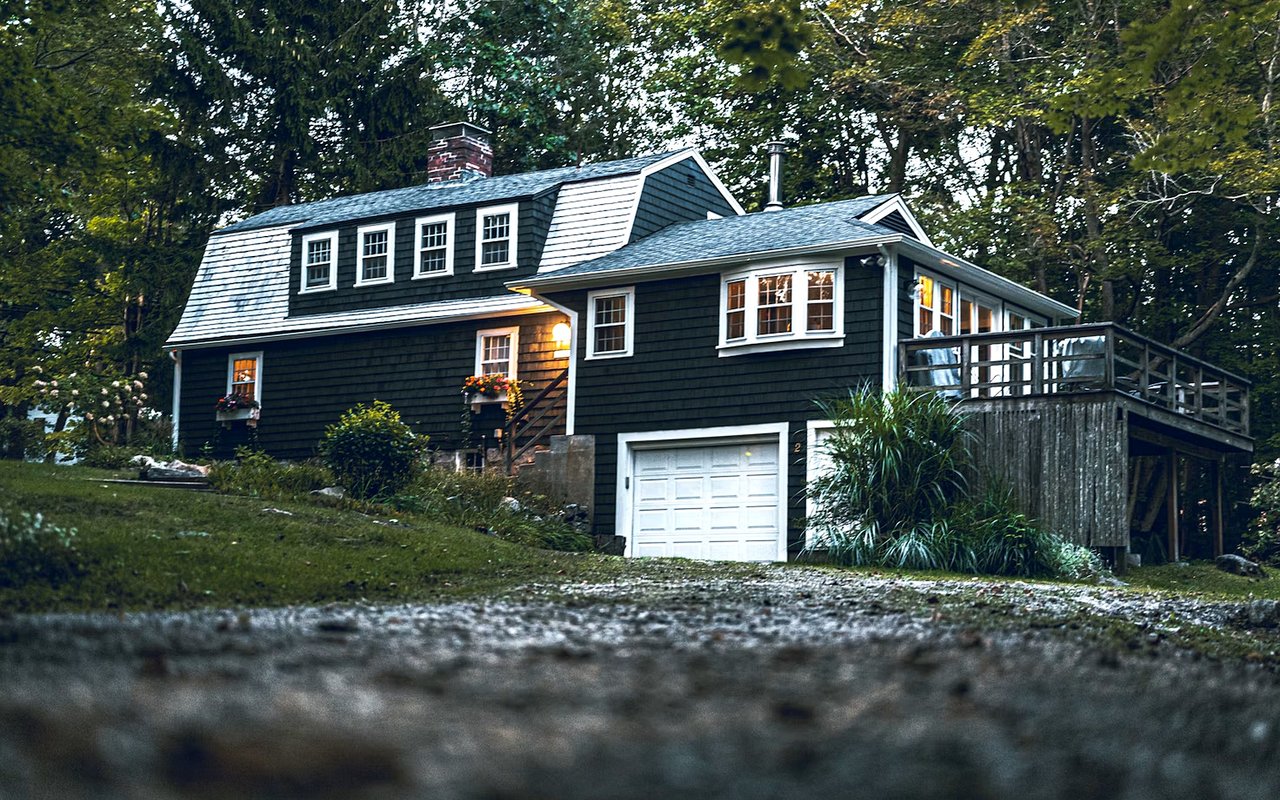
The real estate comparison between Boston and Cranston is stark, and it's the most compelling argument for the move. In Boston and its inner suburbs, buyers routinely compete for condominiums and smaller single-family homes at prices that leave little room for the kind of space, yard, and architectural character that Cranston routinely delivers. In Cranston, the same budget that buys a two-bedroom condo in Jamaica Plain or a small cape in Medford can instead buy a three- or four-bedroom Victorian on a tree-lined street in Edgewood, or a well-maintained colonial near Garden City with a proper backyard and a driveway.
What the Cranston Market Offers Boston Buyers
- Single-family homes with yards, off-street parking, and meaningful lot sizes — a combination that's increasingly difficult to find at accessible price points in Greater Boston
- Victorian, colonial, and New England cape architectural styles with intact period character throughout established neighborhoods like Edgewood, Pawtuxet Village, and Forest Hills
- A median home price that sits well below comparable Boston-area markets while offering more interior square footage and exterior space per dollar
- Proximity to Providence's dining, arts, and cultural amenities without Providence city limits pricing
Getting to Know Cranston's Neighborhoods
Cranston is Rhode Island's second-largest city, and its neighborhoods are meaningfully different from one another. Boston buyers often arrive expecting a uniform suburban landscape and find instead a city with distinct areas, each with its own character, architecture, and relationship to the surrounding geography. Understanding which neighborhood fits your lifestyle before you start searching saves significant time in a market where the right property moves quickly.
Cranston Neighborhoods Worth Knowing for Boston Relocators
- Edgewood: Cranston's most architecturally distinctive neighborhood, with Victorian-era homes along tree-lined streets and the Edgewood Yacht Club on Narragansett Bay
- Pawtuxet Village: One of the oldest settlements in New England, straddling the Cranston-Warwick line along the Pawtuxet River, with historic homes, a walkable village center, and a strong community identity
- Garden City: The most suburban and convenient part of Cranston, anchored by the Garden City Center open-air shopping district and well-connected to I-95 and I-295
- Knightsville: An established residential neighborhood on Cranston's west side with generational character, the Washington Secondary Bike Path, and a quieter pace suited to buyers leaving Boston's denser core
The Tax and Cost of Living Adjustment
One of the underappreciated financial benefits of moving from Boston to Cranston is the tax environment. Massachusetts has a flat state income tax rate and a real estate transfer tax that adds cost to every transaction. Rhode Island has its own income tax structure, but critically, there is no Massachusetts-style transfer tax burden layered on top of property purchases, and Rhode Island does not tax the gain from the sale of a primary residence in the same way Bay State sellers experience. Property taxes in Cranston vary by neighborhood and assessed value, but the overall cost of living runs meaningfully lower than in Boston and its immediate suburbs.
Financial Differences Boston Buyers Typically Notice After the Move
- No Massachusetts state income tax obligation once Rhode Island residency is properly established
- Lower property tax burden relative to comparable assessed values in Greater Boston markets
- Reduced cost of daily living, from grocery and utility costs to the general absence of the premium pricing that Boston's density and demand create across most spending categories
- T.F. Green International Airport access reduces the need to pay for Logan Airport parking, ground transportation, and the premium pricing that comes with flying out of a major hub airport
FAQs
How long does it typically take to adjust to Cranston after living in Boston?
Most buyers who make the move from Boston to Cranston find the adjustment faster than they expect. The lifestyle shift is real — Cranston is quieter, more suburban, and more car-dependent for most daily needs than Boston's walkable neighborhoods. But access to Providence's dining and cultural scene, the shorter commute that Amtrak enables, and the space and character of Cranston's housing stock tend to reframe the adjustment as a net gain within the first few months.
Does Cranston have its own dining and social scene, or does everything require a trip into Providence?
Cranston holds its own. Atwells Avenue on Federal Hill is one of the strongest restaurant corridors in New England, and Cranston's own dining options along Reservoir Avenue and in Pawtuxet Village are worth knowing on their own terms. Garden City Center also draws a strong retail and restaurant mix. For buyers coming from Boston, the discovery is usually that the options are closer and more varied than the city's size suggests.
What should Boston buyers prioritize when touring Cranston homes?
Lot size and condition, off-street parking, and proximity to I-95 or I-295 for the Boston commute are the practical priorities. Beyond that, we encourage buyers to spend time in the specific neighborhood, particularly in Edgewood and Pawtuxet Village, where the character of the street and the community feel matter as much as the home itself. Cranston rewards buyers who take the time to understand the differences between its neighborhoods before committing to a specific area.
Contact The Blackstone Team Today
At The Blackstone Team, we specialize in helping buyers navigate the move from Boston to Cranston and the broader Rhode Island market, from understanding the neighborhoods and the commute options to finding the right property in a market where local knowledge matters. Whether you're drawn to the Victorian character of Edgewood or the suburban convenience of Garden City, we'll help you find the right fit.
Reach out to The Blackstone Team and let's start building your Cranston search.