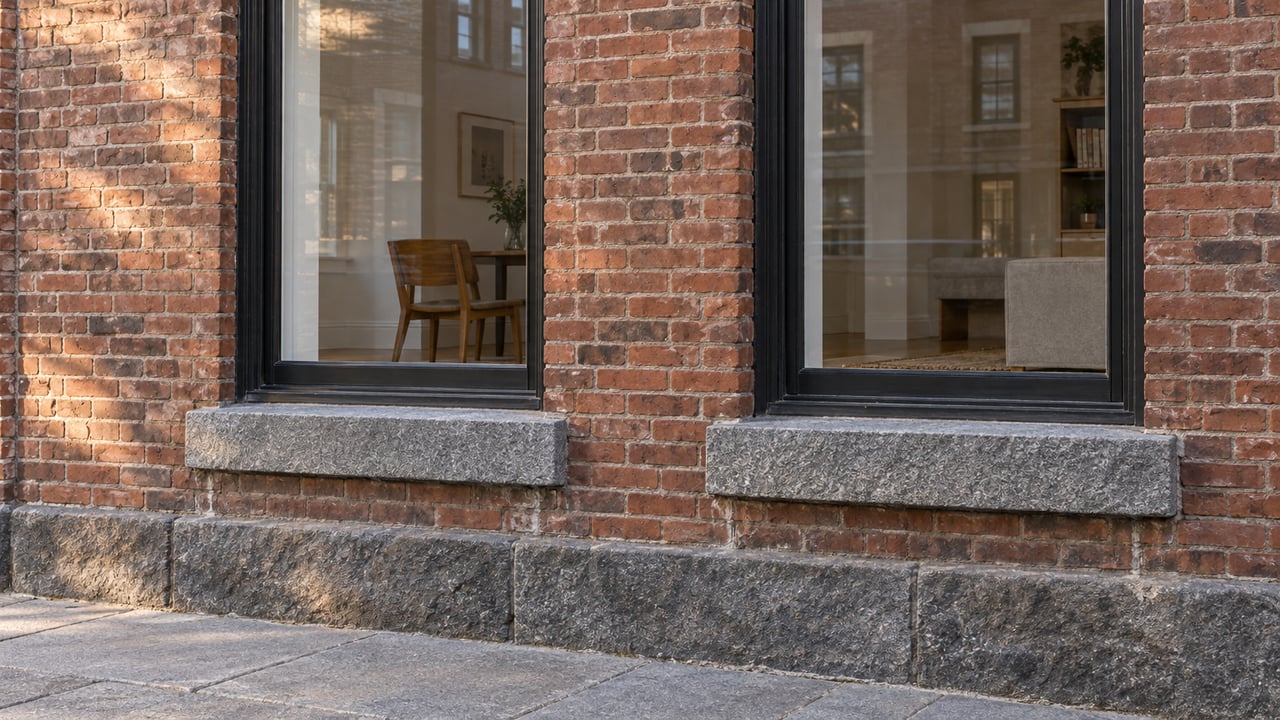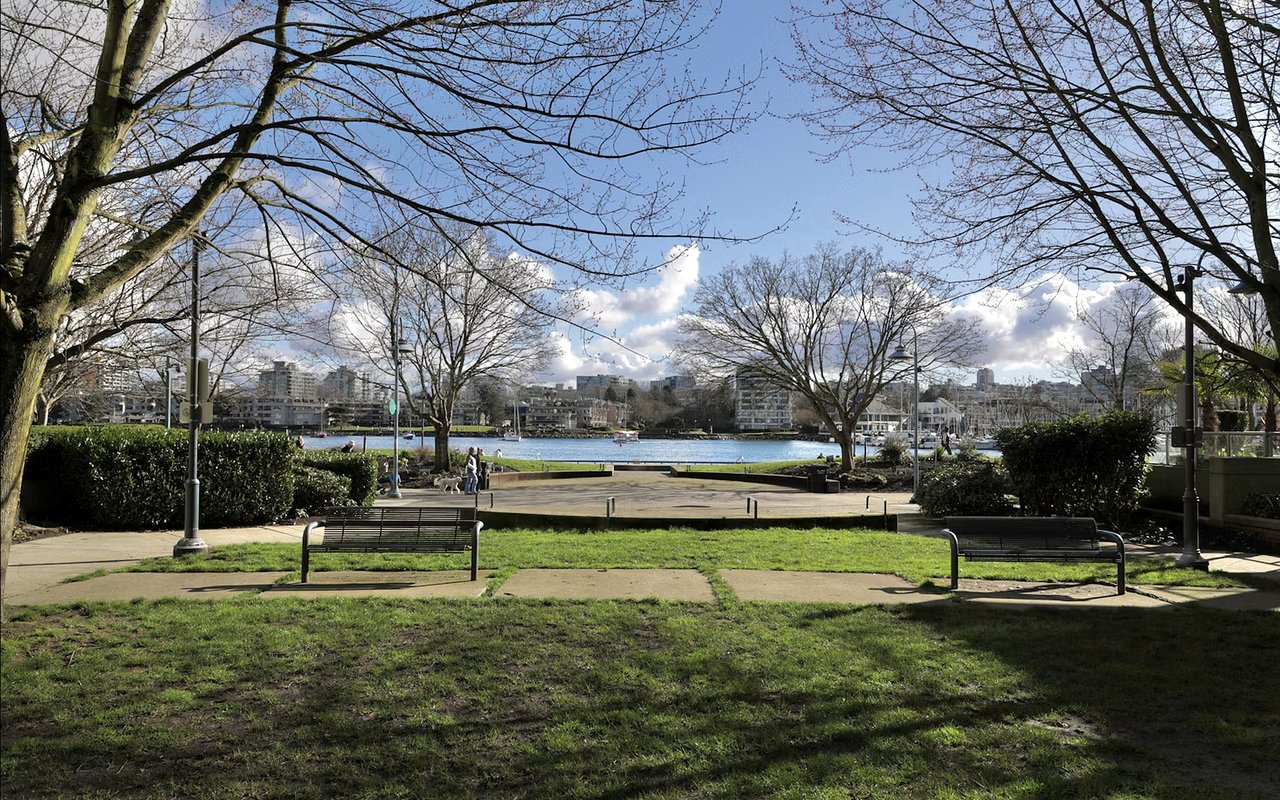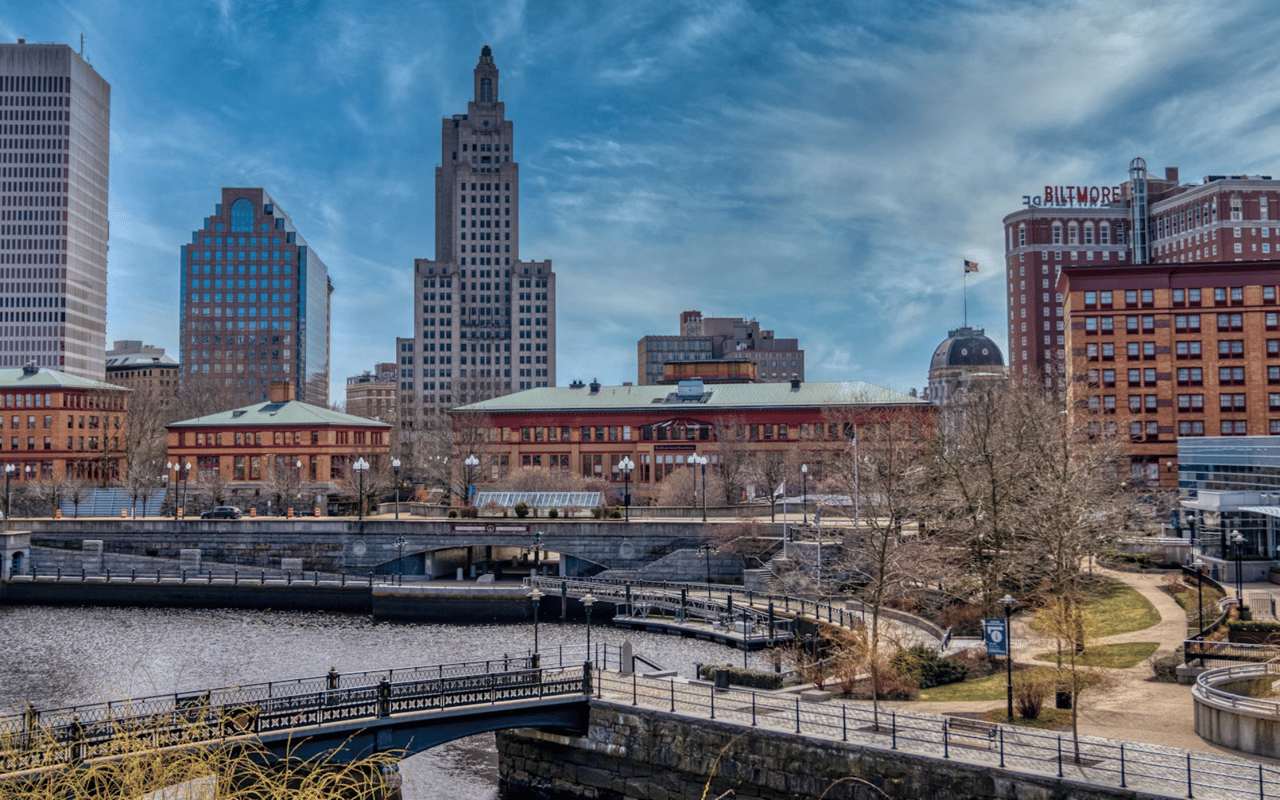
When people start thinking about moving from Boston to Providence RI, the conversation usually comes down to three things very quickly: housing costs, daily lifestyle, and how realistic the Boston connection feels after the move. Providence offers a smaller urban footprint, a more neighborhood-driven rhythm, and a housing market that often opens up different possibilities than Boston, especially in areas like College Hill, Fox Point, the East Side, Downtown, and the Jewelry District.
This move works best when it is evaluated through the real details of cost, commute, and the way each city feels to live in day after day.
Key Takeaways
- Housing: Providence typically offers a meaningfully lower price point than Boston
- Commute: Rail access keeps Boston connected for many schedules
- Lifestyle: Providence feels smaller, more walkable, and more neighborhood-driven
- Choice: The right district shapes the move more than the citywide label
Cost of Living Usually Starts With Housing
We usually begin with housing because that is where the financial difference feels most immediate.
The cost differences we focus on first
- Home prices: Boston home values are roughly 1.85 times higher than Providence home values
- Housing price levels: BEA regional price parity data shows Boston’s 2024 housing price level at about 1.43 times Providence’s
- Overall prices: Boston’s all-items regional price parity is only about 1.06 times Providence’s, which points to a much smaller gap outside housing
These numbers matter because they support what we see on the ground when comparing listings and neighborhood options.
Providence Feels Smaller and More Neighborhood-Oriented
Downtown Providence centers riverfront streets, restaurants, shopping, and historic architecture, while Fox Point and Wickenden bring a walkable, mixed neighborhood texture with a strong local identity.
The lifestyle shifts we usually describe
- Downtown rhythm: Providence feels easier to cross and simpler to navigate than Boston
- Neighborhood character: Areas like Fox Point and Wickenden have a distinct local atmosphere
- Street experience: Local restaurants, smaller blocks, and riverfront paths shape the pace
People leaving Boston usually notice that Providence still feels urban and connected, though the tempo is less compressed and the neighborhoods read more distinctly from one another.
The Commute Can Still Make Sense With the Right Expectations
Amtrak’s current Northeast Regional timetable shows Providence-to-Boston South Station service at roughly 1 hour 21 minutes on some trips, and Providence Station is also identified by Amtrak as the city’s Amtrak/MBTA station with local and regional transit connections.
The commute factors we compare most closely
- Train viability: Providence Station keeps Boston accessible by rail
- Downtown-to-downtown logic: Amtrak specifically frames Northeast Regional service as downtown-to-downtown travel
- Station access: Providence Station is tied into RIPTA and broader commuting resources
We usually find that the move feels strongest when the household is comfortable with a corridor mindset, where Providence is home base, and Boston remains reachable for work, meetings, or a few weekly obligations.
The Housing Search in Providence Is More About Fit Than Status
Providence gives people more room to choose a neighborhood identity instead of chasing only access and scarcity.
The Providence areas we compare most often
- College Hill: Historic streets, hillside views, and a more classic Providence feel
- East Side: A strong residential identity with quick access to neighborhood retail
- Fox Point: Walkability and Wickenden Street energy close to the urban core
The move tends to work best when the specific Providence neighborhood supports the lifestyle, commute pattern, and housing goals that prompted the change in the first place.
The Social Tradeoff Is Usually Access Versus Intensity
Boston offers a larger-scale ecosystem with more institutional density, though Providence has a strong advantage in ease and repeatability.
The day-to-day differences we hear about most
- Pace: Providence feels less compressed and easier to manage spontaneously
- Distance: Daily errands and dinner plans often require less planning
- Identity: Neighborhood life can feel more immediate and more visible
- Flexibility: The city supports a routine that balances home life and urban access more gently
That tradeoff tends to appeal most to people who still want a city, though not necessarily Boston’s scale every day.
FAQs
Is Providence actually cheaper than Boston in a meaningful way?
Yes, especially on housing. Both Zillow’s city-level home value pages and BEA regional price parity data point to a much lower housing cost profile in Providence than in Boston.
Can the Boston commute still work from Providence?
Yes, with the right expectations and schedule. Providence Station is served by Amtrak and identified as an Amtrak/MBTA station, and current Northeast Regional timetables show some trips to Boston South Station at around 1 hour 21 minutes.
Which Providence neighborhoods usually appeal most to people relocating from Boston?
We often start with College Hill, the East Side, Fox Point, Downtown, and the Jewelry District. Those areas tend to capture the best mix of walkability, identity, and practical access within the city.
Contact The Blackstone Team Today
If you are weighing Boston against Providence and want a sharper sense of how the move would feel in real life, reach out to us at The Blackstone Team. We can help you compare neighborhoods, commuting patterns, and housing options with a clear local lens so the decision is grounded in more than broad cost assumptions.