By The Blackstone Team
Cranston spreads across distinct areas like Edgewood, Pawtuxet Village, Garden City, and western residential neighborhoods in a way that feels very different from New York’s density. The city is worth a serious look for people who want more room, a steadier pace, and a more neighborhood-driven routine.
For many, the real question is how the move changes the experience of home, commuting, errands, and weekend life once the address shifts from a vertical city to a more spread-out Rhode Island setting.
Key Takeaways
- Space: Cranston usually delivers more square footage and land
- Pace: Daily routines feel calmer and more localized
- Access: Providence, the airport, and rail remain close
- Fit: Neighborhood choice matters more than the city label
The Biggest Change Is Scale
The first adjustment is physical scale, because Cranston tends to offer more house, more yard, and more separation between homes than most NYC buyers are used to.
The scale shifts we talk through first
- Lot size: Residential parcels usually allow for more breathing room
- Interior footprint: Homes often support larger kitchens, basements, and bonus rooms
- Parking: Driveways and garages become more common parts of daily life
- Street pattern: Blocks feel less compressed and more residential
This change means the home search becomes less about maximizing every inch and more about choosing the right neighborhood rhythm.
Cranston Feels More Neighborhood-Driven Than City-Centered
Cranston works best when people understand that it is a collection of local patterns rather than a single urban core.
The local districts we compare most often
- Edgewood: Strong residential streets near the park and bay-side edges
- Pawtuxet Village: Historic character and a distinct village atmosphere
- Garden City: An open-air center with retail and dining concentrated around a common green
- Western Cranston: More suburban housing patterns and a quieter overall pace
In Cranston, the best fit often comes from whether the routine leans walkable and social or quieter and more residential.
The Commute Changes, Though Regional Access Stays Strong
The commute question is usually less about subway proximity and more about how easily Cranston connects to Providence, the airport, and occasional Northeast Corridor travel.
The access points we review most
- Airport convenience: T. F. Green supports easy regional and national travel
- Rail connection: Providence Station keeps intercity options available
- Highway pattern: Driving becomes a much larger part of the weekly routine
- Downtown Providence reach: Cranston stays close to the city without feeling like it
T. F. Green is in Warwick and positioned just off I-95, while Providence Station provides access to Amtrak and MBTA service, which keeps Boston and the larger corridor very much in play.
Daily Life Feels Less Compressed
One of the biggest lifestyle shifts is that everyday tasks typically require less intensity and less advance planning.
The routine changes that stand out most
- Errands: Parking and access often feel simpler
- Retail geography: Shopping is more destination-based than block-by-block
- Weekend pace: Local plans can unfold with less logistical effort
- Home time: More space often keeps people in the house more comfortably
A grocery run, coffee stop, trip to Garden City, or dinner in Pawtuxet Village often feels more relaxed than the same sequence in New York, even when the day still stays full.
Housing Style and Age Require a Different Lens
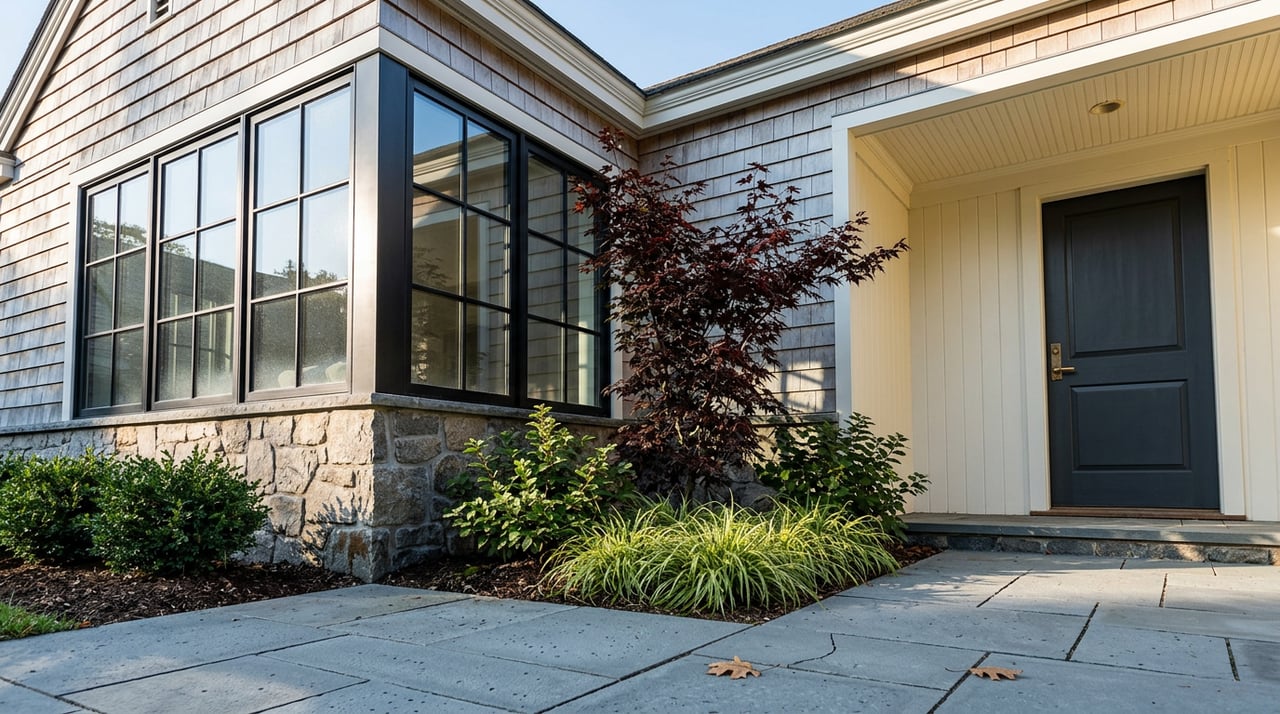
Cranston homes often ask for a different kind of evaluation than apartments or condos in New York, because the search may include colonials, capes, ranches, and older houses with larger lots and more private infrastructure.
The housing details we emphasize
- Basement condition: Moisture, ceiling height, and usable storage matter
- Exterior upkeep: Rooflines, siding, and drainage deserve close review
- Yard function: Outdoor space can become a real part of daily living
- Systems planning: Heating, cooling, and maintenance cycles are more visible
That means more attention to roofs, basements, yards, driveways, and overall maintenance patterns instead of focusing mainly on interior finishes and building amenities.
FAQs
Is Cranston better suited to people who still want city access?
Yes, especially for people who want proximity to Providence and straightforward regional travel without living in a dense urban environment. Cranston’s position near Providence Station and T. F. Green helps preserve broader access.
What part of Cranston feels most interesting to someone leaving NYC?
Pawtuxet Village and Edgewood often stand out first because they offer more neighborhood identity and a stronger sense of place. Garden City also appeals to people who value polished convenience and a central errand-and-dining hub.
What is the hardest adjustment after the move?
The biggest adjustment is usually trading dense transit-based living for a more car-oriented routine. That shift tends to feel much easier once the right neighborhood and daily pattern are in place.
Contact The Blackstone Team Today
We can help you compare Edgewood, Pawtuxet Village, Garden City, and other parts of Cranston with a practical understanding of how the move changes housing, routine, and access.
If you are thinking about leaving New York for Rhode Island, reach out to us at The Blackstone Team.