Choosing between a brand-new home and an older one in Cranston is not just about style. It is about how you want to live, what kind of upkeep you can handle, and what tradeoffs feel worth it for your budget and goals. If you are weighing modern convenience against charm and history, this guide will help you compare both paths with more confidence. Let’s dive in.
Cranston Housing Starts Older
If you have been home shopping in Cranston, you have probably noticed that older homes make up much of the market. According to the City of Cranston’s 2024 Comprehensive Plan, the median year a housing unit was built is 1958, and most owner-occupied and renter-occupied homes were built before 1979.
That does not mean new construction is unavailable. The same plan notes that 1,560 owner-occupied units were built in 2000 or later, which means newer housing exists, but it represents a smaller slice of the overall housing stock. In practical terms, many buyers in Cranston are deciding between a limited number of newer homes and a much larger pool of older resale properties.
Where You May Find Each Option
In Cranston, location often shapes the kind of home you will see. City planning documents suggest western Cranston still has undeveloped land for new housing, while eastern Cranston has more redevelopment and infill opportunities.
That means new construction may be more likely on remaining buildable parcels or strategic redevelopment sites. Older homes are generally more common in established areas, where the streetscape and housing stock have been in place for decades.
Why Buyers Choose New Construction
New construction often appeals to buyers who want fewer immediate projects and a more predictable start. A newly built home in Cranston begins under the current Rhode Island State Building Code, and the city’s Building Inspection department verifies compliance across building, residential, mechanical, plumbing, energy, fuel gas, property maintenance, and electrical codes.
For you, that can mean a stronger baseline for systems, materials, and overall performance. It does not guarantee perfection, but it does mean the home starts from current code standards rather than the standards in place decades ago.
Current-Code Construction
One of the biggest advantages of a new home is that its systems are built for today’s requirements. Electrical, plumbing, insulation, and mechanical components are typically designed with modern use in mind.
That can reduce the chance of facing an immediate update list after you move in. If you want a home that feels more turnkey from day one, this is a major reason new construction stands out.
Better Energy Baseline
Energy efficiency is another common benefit. The U.S. Department of Energy says air leakage can account for 30% or more of heating and cooling costs, and minimizing air movement is a key part of creating an efficient home.
Because new homes are built with newer materials and tighter construction methods, they often start with a better energy baseline than older homes. Actual performance will still depend on the builder and the features selected, but many buyers appreciate the potential for lower utility waste and improved comfort.
Fewer Near-Term Repairs
A newer home may also reduce the odds of major short-term surprises. Roofs, windows, HVAC systems, and appliances are often new or close to new, which can make budgeting feel simpler in the first few years.
That peace of mind matters if you would rather focus on settling in than planning capital improvements. For busy households, that convenience can carry real value.
What To Watch With New Construction
Even if a home is brand new, you should still do your homework. The Consumer Financial Protection Bureau advises buyers to make an offer contingent on financing and a satisfactory inspection, including on new construction.
That point is easy to overlook when everything looks fresh and polished. A new home can still have defects, incomplete items, or warranty questions that need to be clarified before closing.
Review Builder Deposits And Warranties
If you are buying from a builder, ask clear questions about deposit terms. The CFPB recommends understanding how a builder deposit can be returned if the transaction does not move forward.
You should also verify warranty terms in writing. HUD materials for FHA new-home purchases reference a one-year builder warranty, but you should not assume every new home comes with the same protection or the same coverage.
Why Buyers Love Older Cranston Homes
Older homes often win people over with details that are hard to duplicate. In Cranston, some of the city’s historic areas help explain that appeal.
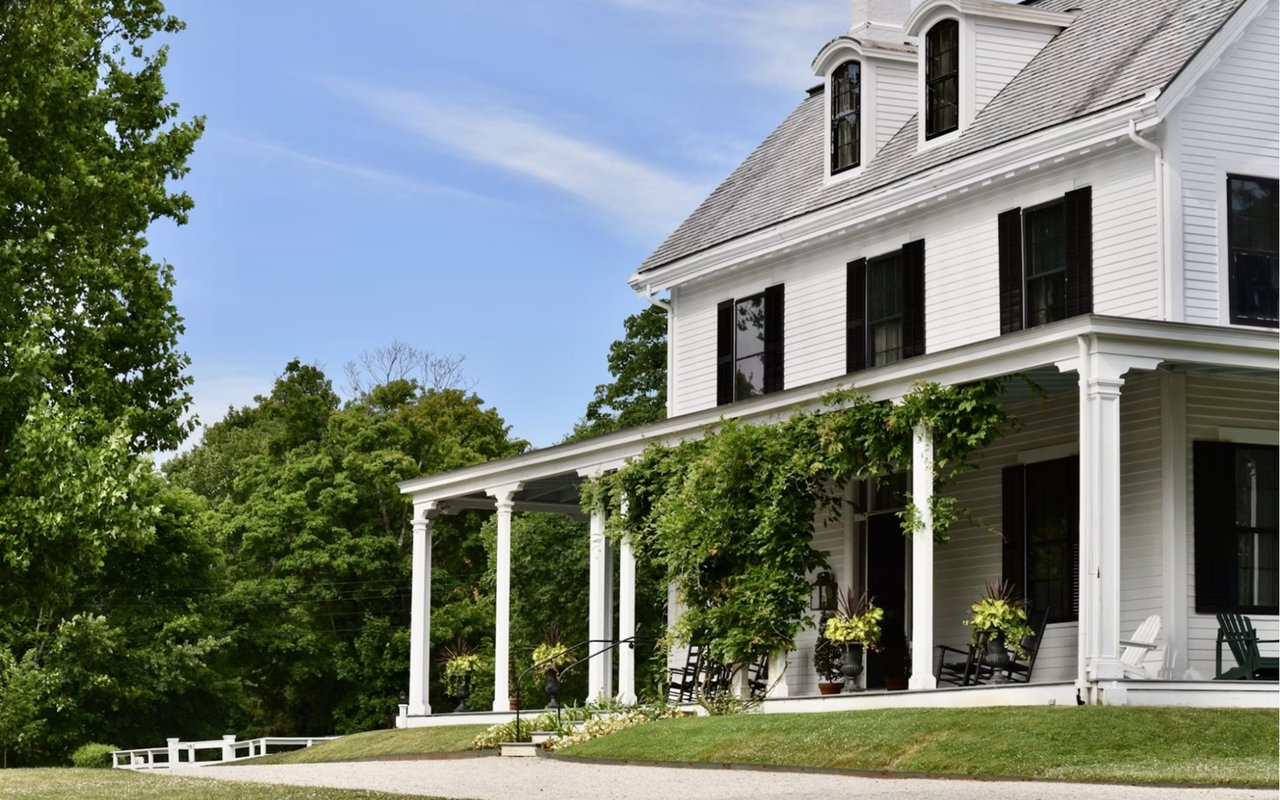
The city identifies historic locations such as Oaklawn Village and Pawtuxet Village, where you can find housing styles that include 18th-century homes, rural Greek Revival, Queen Anne, Shingle-style, colonial, Victorian, and post-World War II Cape Cod cottages. For many buyers, that sense of character and neighborhood identity is a major draw.
Architectural Character
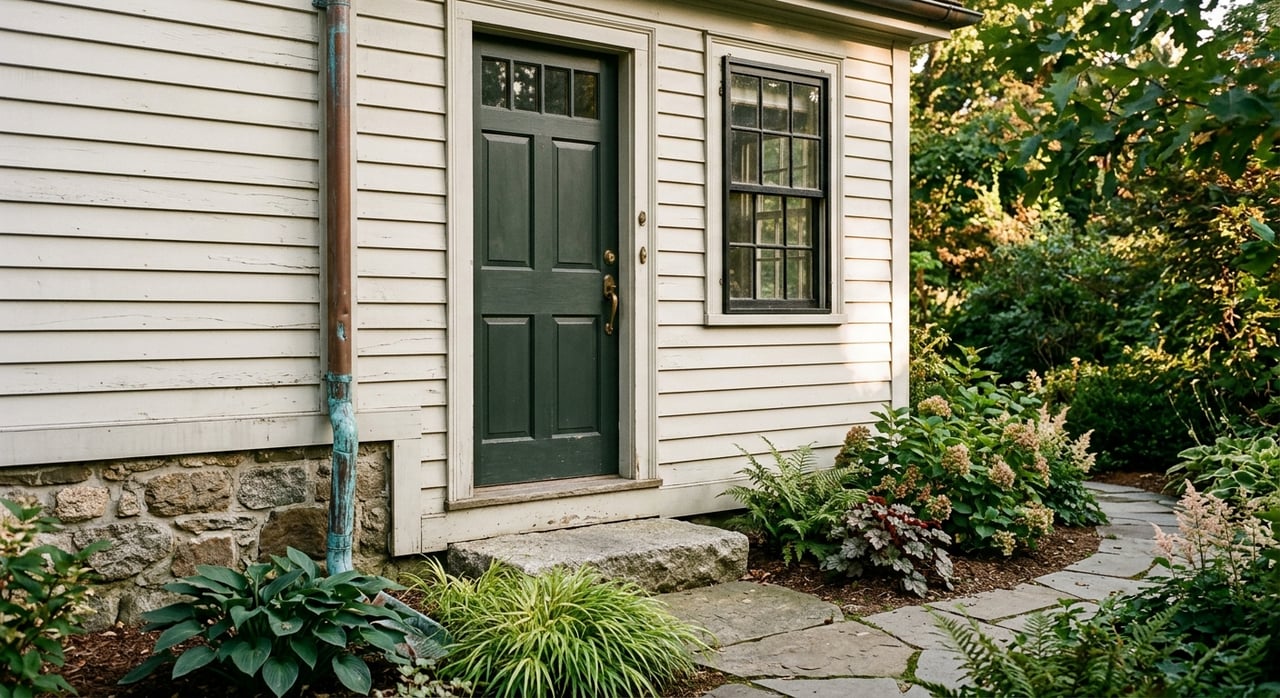
If you want original millwork, classic facades, or a home with a distinct look and feel, an older property may offer more personality. These homes can feel rooted in Cranston’s history in a way that newer builds often do not.
That character is part of what makes older homes so appealing. You are not just buying square footage. You are often buying craftsmanship, design details, and a setting with a long-established feel.
Established Surroundings
Older homes are often found in mature residential settings with long-developed streets and existing patterns of development. For some buyers, that feels more settled and visually consistent than a newer subdivision or infill site.
This does not make one option better than the other. It simply means the experience of living there may feel different, and that difference matters when you are choosing a home.
Renovation Upside
Older homes can also create opportunities for customization. If you are comfortable updating over time, you may be able to improve efficiency, modernize layouts, or restore original features while building long-term value in the process.
That said, renovation upside usually comes with renovation responsibility. It is important to enter the purchase with a clear understanding of what the home may need.
What Older Homes May Require
Because so much of Cranston’s housing stock predates 1980, inspection and planning matter a lot. Older homes can offer charm, but they may also come with outdated systems, deferred maintenance, or infrastructure that needs investment.
The city’s Comprehensive Plan notes that aging housing stock may require significant upkeep and modernization. For buyers, that makes the inspection period especially important.
Energy Upgrades
Older homes often need more energy work than newer homes. The Department of Energy says many older homes have less insulation than homes built today, and a home energy assessment can help identify air-sealing and insulation needs before renovation planning begins.
If you are comparing a charming older home to a newer build, this is one of the clearest practical differences. The older home may have more character, but it may also need efficiency improvements to perform the way you want.
Lead Paint Risks In Pre-1978 Homes
If a home was built before 1978, lead-based paint should be part of your review. The EPA says older homes are more likely to contain lead-based paint, and federal disclosure rules apply to most housing built before 1978.
For you, this matters most before any sanding, scraping, repainting, or renovation work begins. The age of the home is not just a style detail. It can directly affect repair planning and health considerations.
System And Structure Checks
For older Cranston homes, key inspection items often include:
- Roof condition
- Foundation issues or cracks
- Drainage around the property
- Plumbing system age and condition
- Electrical system updates or limitations
- Moisture control and signs of water intrusion
These are practical areas where repair costs can add up. A thorough inspection can help you decide whether the home still fits your budget and timeline.
Renovation Rules In Cranston
If you are buying an older home with plans to improve it, local permit rules matter. Cranston’s Building Inspection department states that permits are required to construct, enlarge, alter, remove, demolish, or change the occupancy of a structure.
That means renovation planning should start with permit questions early, especially if your project affects structural elements, systems, or exterior work. It is much easier to map out a realistic project when you understand those requirements upfront.
Historic District Review
If the property is in a local historic district, exterior changes and new construction must be reviewed and approved by the Historic District Commission. That can affect project timing, design options, and the approvals you need before work begins.
This is especially important if you are drawn to a home because of its historic character. Preserving that character may come with additional review steps.
Which Home Type Fits You Best?
The right answer depends on what you value most. If you want a home with current-code construction, a better energy starting point, and fewer near-term repair surprises, new construction may be the better fit.
If you care most about architectural character, established surroundings, and the chance to personalize a home over time, an older Cranston property may be the better match. Neither path is automatically right. The key is choosing the one that fits your priorities, budget, and comfort level with future work.
A Smart Way To Compare Homes
When you are deciding between new construction and an older home in Cranston, try to compare more than the list price. Think about inspection findings, likely repair costs, energy performance, renovation plans, permit needs, and how much work you want to take on after closing.
That kind of side-by-side comparison can keep you from falling in love with a home that does not fit your real-life goals. It can also help you spot value where other buyers may only see age or only see shiny finishes.
Whether you are drawn to a newly built home or a classic Cranston resale, the best move is the one that fits how you want to live now and what you want your home to do for you over time. If you want clear, local guidance as you weigh your options in Cranston, The Blackstone Team is here to help you navigate the market with confidence.
FAQs
What is more common in Cranston, new construction or older homes?
- Older homes are much more common. Cranston’s 2024 Comprehensive Plan says the median housing year is 1958, and most homes were built before 1979.
Where can you usually find new construction in Cranston?
- City planning documents suggest new housing is more likely in western Cranston on remaining buildable land, with some redevelopment and infill opportunities in eastern Cranston.
Are older homes in Cranston less energy efficient?
- They often can be. The Department of Energy says many older homes have less insulation than homes built today, so air sealing and insulation upgrades may be needed.
Do you still need a home inspection for new construction in Cranston?
- Yes. The Consumer Financial Protection Bureau advises buyers to make offers contingent on financing and a satisfactory inspection, even for new homes.
What should buyers check before renovating an older Cranston home?
- Start with permits, inspection findings, and whether the property is in a local historic district, since exterior work in those districts requires Historic District Commission review.
Why do buyers choose older homes in Cranston?
- Many buyers like the architectural character, established settings, and renovation potential found in older homes, especially in historic areas such as Oaklawn Village and Pawtuxet Village.