Selling a home in today's market isn’t just about putting a "For Sale" sign in the yard and hoping for the best. With the vast majority of buyers scrolling through listings on their phones before ever setting foot on your property, your home needs to look, and feel, irresistible from the very first click.
You don’t need a six-figure renovation budget to fetch a premium price. Often, the highest-ROI upgrades are psychological. By shifting a few design choices, clearing the right kind of space, and appealing to a buyer's senses, you can add tens of thousands of dollars in perceived value.
Here is your ultimate 8-step playbook to prep your home for a fast, top-dollar sale.
1. The “Threshold” Test (Curb Appeal)
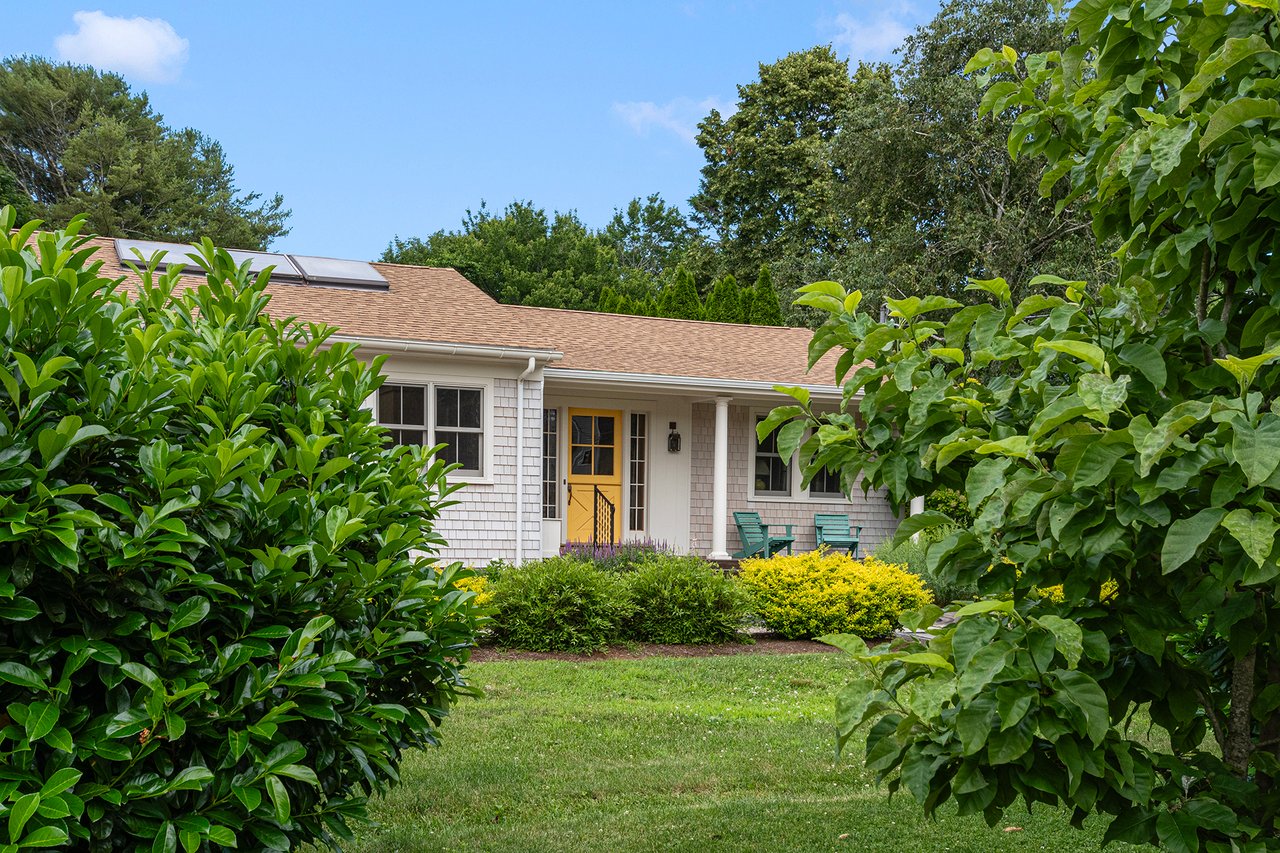
First impressions are made in the first seven seconds. Before buyers even walk through the front door, they’ve already started judging the rest of the house.
-
The Front Door Upgrade: Is your hardware looking a bit dated? A fresh coat of rich black or deep navy paint paired with a modern brass handle set can instantly add $2,000 in perceived value.
-
Check Your Sightlines: Walk out to your mailbox and turn around. Where is your eye naturally drawn? Is it guided beautifully to the front door, or are you distracted by a rogue garden hose or overgrown shrub? Clear the path.
-
The “Welcome” Layer: It is time to swap out the tired “Live, Laugh, Love” mat. Replace it with a clean, oversized, natural coir mat. It anchors the entryway and signals modern sophistication.
2. Edit, Don’t Just Empty (Strategic Staging)
Empty rooms feel cold, but overcrowded rooms feel small. Staging is all about finding the perfect middle ground by creating "negative space."
-
The 50% Rule: Take a look at your bookshelves and kitchen counters, then remove half of what’s on them. High-end interior design needs room to breathe.
-
Define Every Room: If you have a "junk room" where miscellaneous items go to die, we need to rebrand it. Turn it into a dedicated "yoga studio" or a "high-end home office" before the listing photographer arrives. Buyers buy utility.
-
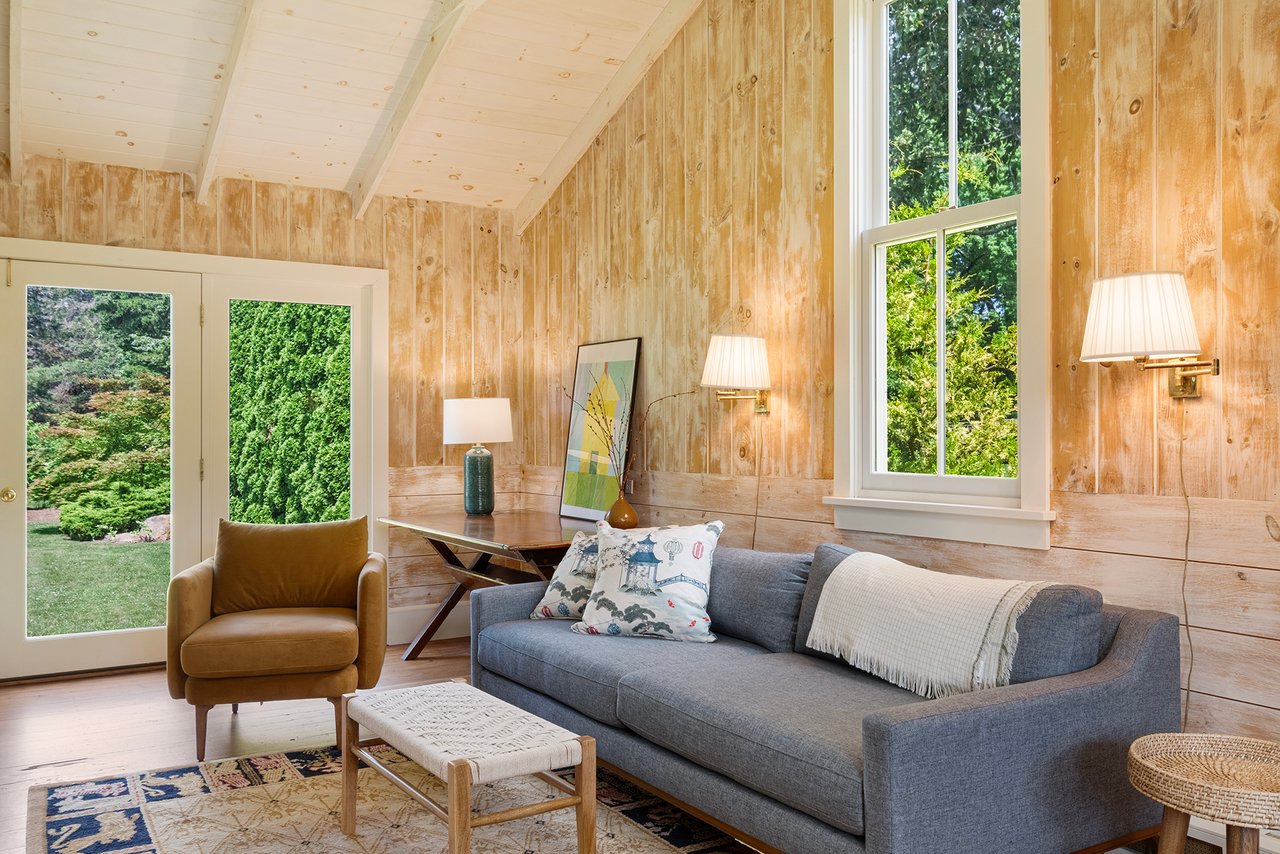
Float Your Furniture: Do not push all your sofas flat against the walls. Pull them out by just 6 inches. It creates an expensive, airy, "gallery" feel that makes the room look instantly larger.
3. The “Light & Life” Audit
Good lighting can make a modest home look like a mansion, while bad lighting can make a luxury home look dingy.
Quick Lighting & Atmosphere Reference
| Element | The "Design Crime" | The Premium Upgrade |
| Bulb Temperature | Mixing "Daylight" (blue) & "Soft White" (yellow) | Uniform 2700K–3000K throughout for a warm glow |
| Window Treatments | Heavy, dark drapes blocking the view | Removed or pulled back completely to maximize light |
| Organic Elements | Artificial plastic plants or fake flowers | Large potted fiddle-leaf fig or a simple bowl of green apples |
Pro Tip: Adding a single "living" element to a room, like fresh greenery or fruit, subconsciously signals a healthy, happy, and well-maintained home environment to prospective buyers.
4. The Renovator’s “Quick Fix” List
If you only have a weekend and a few hundred dollars, focus your energy entirely on these two high-yield areas:
-
Hardware Refresh: In the kitchen, swap out those dated 1990s cabinet pulls for matte black or brushed gold statement hardware. It’s one of the highest-ROI moves you can make because buyers equate updated hardware with an updated kitchen.
-
The “Scuff” Patrol: Grab a Magic Eraser and go to town on your baseboards. It sounds minor, but it's psychological: buyers subconsciously equate pristine baseboards with a meticulously maintained home (including the hidden things, like the HVAC system!).
5. The “Digital Curb Appeal” Audit
Because 95% of buyers will experience your home on a phone screen first, you have to optimize your spaces for two-dimensional photography.
-
The Cord Disguise: Visible tech wires are an instant distraction. If an appliance or device has a wire (lamps, coffee makers, TVs), tuck it, tape it, or remove it entirely for the photos. Wires signal clutter to the subconscious mind.
-
The Rug Rule: Small rugs shrink a room on camera. If a rug doesn't properly fit beneath the legs of your furniture, you are better off leaving the floors bare. You want to showcase a wide "runway" of flooring to maximize the perceived square footage.
-
The Vertical Stretch: High-end homes feel tall. Cheat the system by raising your curtain rods all the way to the ceiling rather than hanging them right above the window frame. Also, clear off the tops of your kitchen cabinets. This forces the eye upward in photos.
-
The “Vignette” Check: Open your phone’s camera app and look at your rooms through the lens. Does every angle have a clear focal point? If the camera doesn’t know where to look, neither will a scrolling buyer.
6. The “Five-Senses” Signature
A successful walkthrough is about moving beyond visuals to tap into the emotional, sensory experience of a home.
-
The Scent Profile: Ditch the heavy scented candles or the cliché "freshly baked cookies" routine. Modern buyers are skeptical of overpowering scents (they assume you’re hiding mold). Instead, aim for a subtle, "expensive hotel" vibe using essential oils like Eucalyptus, White Tea, or Santal.
-
The Temperature Sweet Spot: Set your AC to a crisp 68–70°F, even in the dead of winter. A cooler house feels solid, fresh, and clean. A warm house quickly feels stuffy and can amplify hidden pet or cooking odors.
-
The Acoustic Layer: Absolute silence during a walkthrough can feel awkward and high-pressure, but loud music is distracting. Play a curated "Lo-Fi Beats" or "Jazz Instrumental" playlist at a volume where you can still easily hear a whisper. It fills the dead air and feels sophisticated.
-
The Tactile Test: If a buyer touches a surface, it should feel premium. Swap out plastic soap dispensers for heavy glass or ceramic ones. Ensure the hand towels in the bathrooms are plush, 100% cotton, and completely unused.
7. The “Primary Suite” Sanctuary
When looking at the primary bedroom, buyers aren't just evaluating a place to sleep, they are purchasing a better, more luxurious version of their morning and evening routines.
-
The “Hotel” Bed: Stick exclusively to crisp, white linens. White signals pristine cleanliness and luxury. Give your bed pillows a solid "karate chop" in the middle to give them structure and volume.
-
The Nightstand Edit: A nightstand should only ever hold three things: a lamp, a book (with the colorful dust jacket removed), and a tiny organic element like a succulent. Hide the phone chargers, medications, and CPAP machines.
-
Closet “Breathing Room”: If your closet is packed to the brim, buyers will assume the house lacks storage space. Clean your closets out to 70% capacity. Hang everything on matching wooden or velvet hangers, mixing cheap plastic and wire hangers makes a beautiful home look like a college dorm room.
-
The Spa Bath: Remove all half-used shampoo bottles and bars of soap from the shower. Replace them with three matching amber or white pump bottles for your body wash, shampoo, and conditioner. It’s a $15 Amazon fix that instantly elevates a standard shower into a boutique hotel experience.
8. The “Invisible Value” Checklist
This final step targets "buyer anxiety" and builds deep trust before they ever read an inspection report.
-
The “Home Passport” Binder: Create a sleek binder left out on the kitchen counter containing your home's service records. Include the last HVAC service date, the age of the roof, utility averages, and appliance warranties. This bold transparency signals: “I have nothing to hide; I have loved and cared for this home.”
-
The “Silent” Repairs: Spend an afternoon fixing squeaky doors, loose cabinet hinges, or a jiggling toilet handle. These tiny "nuisance" items are easy to ignore as an owner, but to a buyer, they raise red flags about potential deferred maintenance elsewhere.
-
The Filter Flex: Pop a brand-new furnace filter into your HVAC system and leave the clean, empty box nearby. It’s a brilliant visual cue that the "lungs" of the house are perfectly healthy.
-
The Switch Plate Refresh: Yellowed, cracked, or mismatched light switches scream neglect. Spend $50 at the hardware store to replace them with crisp, white, modern switch plates. Think of it as the jewelry for your walls.
By taking the time to audit your home through the eyes, and senses, of a buyer, you take control of the narrative. You aren't just selling a structure of wood and brick; you are selling an aspirational lifestyle. Put these quick fixes to work, and watch how quickly your listing stands out from the crowd!
Amy Barrett | Partner at The Blackstone Team
As a Partner on The Blackstone Team, recognized as the #1 real estate team in Providence, RI, and backed by Compass (the top real estate brokerage in Rhode Island), Amy Barrett bridges market-leading transactional authority with a designer's eye.
Specializing in high-yield home staging, premium property transformations, and strategic listings across the Greater Providence area and Rhode Island market, Amy helps sellers command maximum market value by uncovering the true design potential of every home.