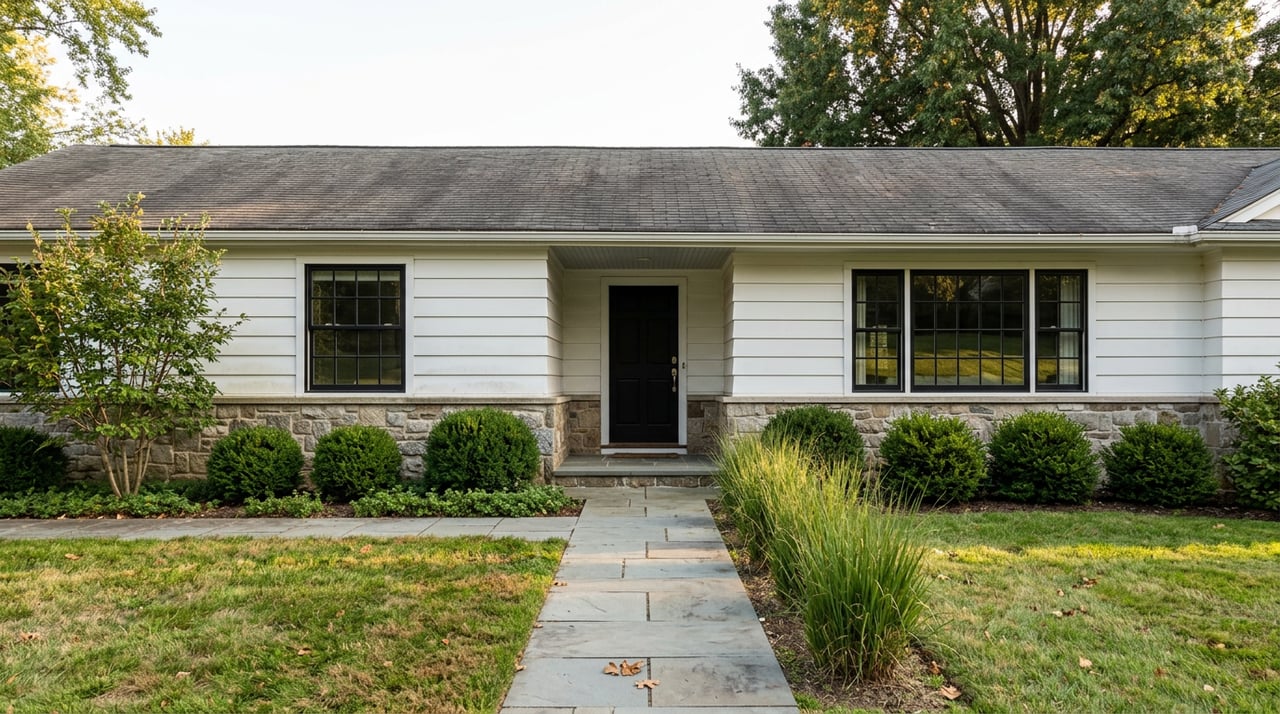
Day six of a ten-day inspection contingency, and the inspector is standing in front of an electrical panel in a Norwood ranch from the postwar building boom that filled in this part of the city. He's found a mix of copper and aluminum branch wiring, the kind that was common in homes built or remodeled from the mid-1960s through the late 1970s. The buyer has four days left to decide whether that's a repair, a renegotiation, or a reason to walk. Nobody scheduled an electrician for this. Nobody thought they'd need to.
This is not a rare Tuesday in Warwick. It's the structure of buying a home in a city where most of the housing stock predates the internet, the current electrical code, and in some neighborhoods, the airport expansion that shaped the streets around it. The contingency window is the same length whether the house was built in 2019 or 1959. The houses are not the same.
A contingency window built for the wrong century
Warwick's home inspectors are explicit about the pace they're working against. House Doctor Home Inspection Inc., which has served the city since 2004, structures its entire delivery model around it.
"We prioritize the high-speed demands of the May real estate market. House Doctor delivers comprehensive, digital reports on the same day as your inspection. This is essential for meeting the strict 10-day contingency windows common in Warwick and the surrounding Tri-State area."
A same-day report exists because a ten-day clock doesn't leave room for a week of back-and-forth. That's a reasonable accommodation for a newer home with a 200-amp panel and copper wiring throughout. It's a much tighter squeeze for a house where the inspector's findings are the start of a second research project, not the end of the first one.
Warwick's housing stock has a birth certificate, even if the listing doesn't
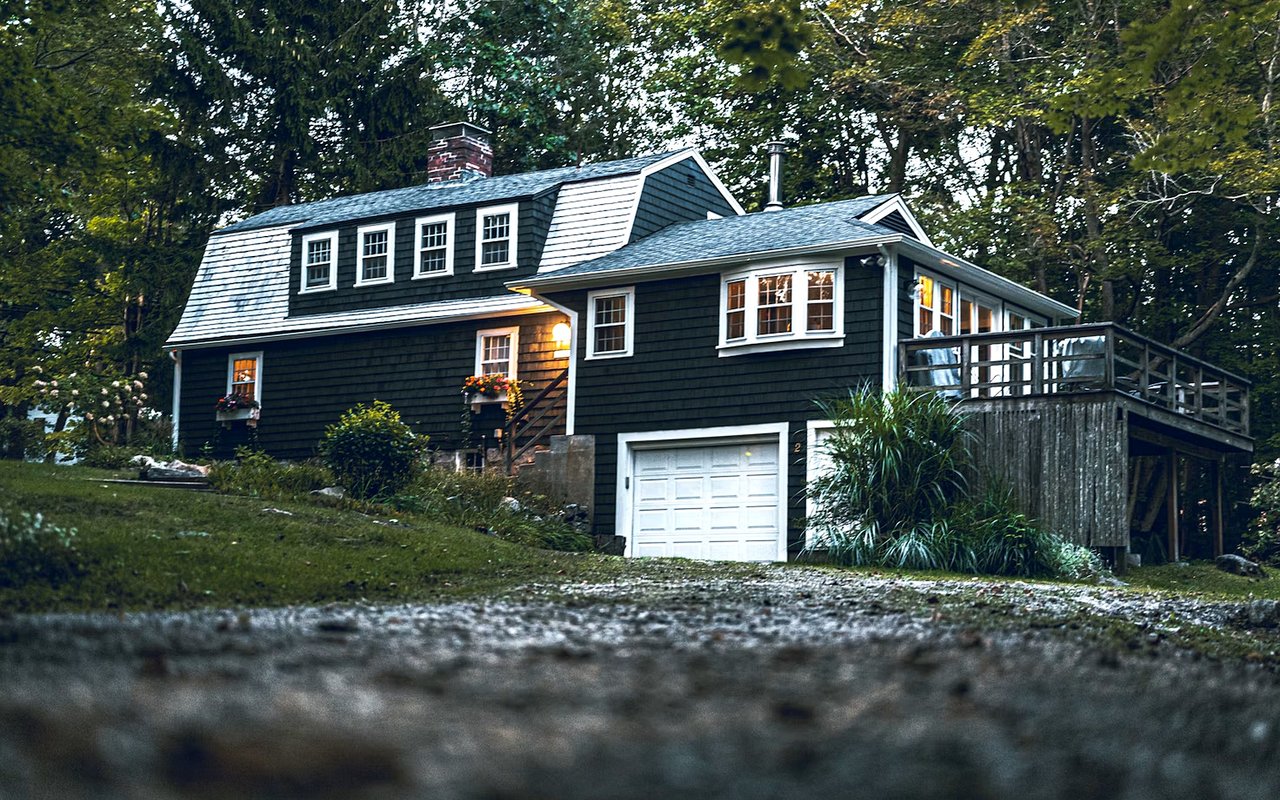
Ask anyone who inspects or wires homes in this city where the older housing sits, and the same names come up. Governor Francis Farms is full of mid-century ranches and split-level homes, many still carrying original hardwood and fireplace layouts from a build era that shows up repeatedly in current listings there. Gaspee Point is a small waterfront enclave on Narragansett Bay built around cottage-scale homes, several of them just steps from the beach. Norwood and Hillsgrove, both clustered near T.F. Green, are described by local sources as mid-20th-century neighborhoods where Cape Cod and ranch homes still dominate the streetscape.
Buttonwoods and Cowesett read differently depending on who you ask. Melone Electric describes them as newer builds relative to the cottages at Gaspee Point. House Doctor's own inspection team describes waterfront estates in Cowesett and older family homes in Buttonwoods as properties that require additional inspection time because of their complex systems and architectural nuances. Both things can be true. These are neighborhoods with a wider range of build years than a single label captures, which is exactly why an inspector can't assume anything about the panel or the plumbing until they've opened the box.
Here's roughly how the housing character breaks down by area, based on what local listings and service providers report:
Neighborhood | Housing character locals and inspectors describe | What that tends to mean on inspection day |
|---|---|---|
Governor Francis Farms | Mid-century ranches and split-levels, original hardwood | Original wiring and mechanicals common; updates vary widely by owner |
Gaspee Point | Small waterfront enclave, cottage-scale homes near the beach | Compact footprints with original systems that vary home to home |
Norwood / Hillsgrove | Mid-20th-century Cape and ranch homes near T.F. Green | Age-typical systems, often paired with commuter convenience |
Buttonwoods | Described as both older family homes and part of the newer-build mix | Wide range means no safe assumptions without opening the panel |
Cowesett | Waterfront estates flagged for longer, more complex inspections | Larger, older systems that take real time to evaluate properly |
Pawtuxet Village | Mixed vintage, walkable to shops and the water | Character homes with inspection needs tied to individual renovation history |
None of this means an older Warwick home is a bad buy. It means the standard inspection clock was never calibrated for what these houses actually require.
What ten days is actually enough time for
A standard home inspection in Warwick runs two to three hours for a 2,000-square-foot house, according to House Doctor's own service description. Larger waterfront properties in Cowesett or older family homes in Buttonwoods take longer because of their more complex systems and architectural detail. That's the walkthrough. It is not the whole ten days.
Aluminum branch wiring, when it turns up, isn't something an inspector fixes on the spot. It's a flag that sends a buyer looking for a licensed electrician, and Rhode Island has operated under the 2020 National Electrical Code since February 2022, according to Lightning Electric, which means any home wired before that update is being measured against a standard that didn't exist when the wiring went in. Homes still running 60- or 100-amp electrical service, common in Warwick's older stock, are frequently at capacity before a buyer even adds central air or an EV charger.
Oil heat adds its own branch to the calendar. Local inspection firms including HomePro Inspections list oil-fired heating systems and tank checks as a distinct service, not a default part of every walkthrough, which tells you it's common enough in Warwick's older homes to need its own line item and its own scheduling call.
Financing adds a third branch. Buyers using VA or FHA loans need a licensed WDI, or termite, inspection using the NPMA-33 form, which House Doctor bundles as part of its service suite specifically because those loan types require it. That's another inspector, another appointment, inside the same ten days.
Stack an electrician, an oil-tank technician, and a termite inspector against a single ten-day window, and the math gets tight fast, especially once a few of those days fall on a weekend.
The market isn't holding the door open
None of this would matter much if Warwick buyers had room to slow down. They don't, at least not by the numbers coming out of the city this year. As of an April 30, 2026 market update, the average Warwick home value stood at $419,036, up 3.7% over the prior year, with homes moving to pending in around nine days. Nine days to an accepted offer leaves almost no cushion before the ten-day inspection clock even starts running.
Some pockets are moving even faster on price. In Warwick Neck, February 2026 sales data showed a median sale price of $830,000, up 51.6% from the year before, on a small sample of seven closed sales. Small samples swing hard, and one neighborhood's spike doesn't set the citywide pace. But it's a real signal that certain corners of Warwick are drawing enough competing interest that buyers aren't in a position to ask for extra time, on price or on paperwork.
Put those two data points together and the ten-day clock stops looking like a formality. It's the actual constraint. Nobody is negotiating for a longer inspection period when there's another buyer one showing behind.
What this means if you're selling an older Warwick home
The fix isn't a longer contract. It's front-loading the discovery that would otherwise happen on day six. Pulling permit history from the city's Building Department before listing tells you, and eventually your buyer, what electrical or heating work was done and when. An elective pre-listing electrical check, the kind Melone Electric and similar firms perform routinely, turns a potential mid-contract surprise into a known item priced into your listing from day one. Sellers who do this in Governor Francis Farms, Buttonwoods, or Cowesett aren't just avoiding a renegotiation. They're removing the single biggest reason a fast-moving Warwick buyer gets cold feet in week two.
What this means if you're buying one
Line up your specialists before you're inside the contingency window, not after the general inspector calls with concerns. If you're touring homes in Norwood, Hillsgrove, or Gaspee Point, have an electrician's number ready before you write an offer, not after. Ask directly whether the home has oil heat, and if it does, schedule the tank check in the same week as the general inspection rather than waiting to see if it's needed. If you're financing with a VA or FHA loan, confirm the WDI inspection is booked the moment you're under contract. None of this requires walking away from an older home. It requires treating the calendar as part of the deal, not an afterthought to it.
FAQ
Does aluminum wiring automatically end a sale in Warwick? No. It's a known issue in homes built or remodeled from the mid-1960s through the late 1970s, and it has established repair paths, from full copper rewiring to accepted connector-based fixes. The problem isn't the wiring itself. It's discovering it on day six of ten with no electrician yet on the calendar.
Is every older home in these neighborhoods affected? No. Governor Francis Farms, Buttonwoods, Cowesett, and Gaspee Point all contain a mix of original and fully updated systems. That range is exactly why local inspectors won't generalize about any one street without opening the panel first.
What if my loan requires extra inspections? VA and FHA buyers need a licensed WDI inspection using the NPMA-33 form. Confirm this is scheduled the day you go under contract, not after your general inspection report arrives, since it's one more appointment competing for the same ten days.
If you're weighing a purchase or a listing in one of Warwick's older neighborhoods, the timeline matters as much as the price. The Blackstone Team works these streets regularly and can help you build a contract calendar that accounts for what these houses actually need. Schedule a private market consultation before you're staring down day six of ten.
This article is general information, not legal, tax or financial advice. Consult a qualified professional about your situation.