Are you weighing a small multifamily in East Providence against one in Providence? You are not alone. Both cities can work, but they perform differently on rents, pricing, code complexity, and day‑to‑day operations. In this quick snapshot, you will compare the key numbers, learn what to check before you buy, and see which market tends to fit common investor plans. Let’s dive in.
Market demand at a glance
Providence is the larger, denser city with about 195,000 residents and a lower median household income than East Providence. It also has a higher share of renters, which supports strong leasing velocity in many neighborhoods. You can confirm population and income data in the U.S. Census QuickFacts for Providence and East Providence.
East Providence offers a more suburban feel with higher owner occupancy and steady demand from commuters to Providence’s hospitals, universities, and local employers. The renter pool is smaller than in Providence but is still supported by proximity to job centers and major routes. This difference often shows up in rent levels, price points, and renovation needs.
Rents and revenue potential
Public rental indexes place Providence’s citywide average asking rent near the mid‑$2,500s per month across product types. Recent snapshots show Providence in the $2,520 to $2,602 range, with premiums in neighborhoods near downtown, hospitals, and colleges. You can see the latest citywide trend on RentCafe’s Providence page.
East Providence averages lower, generally about $1,900 to $2,100 per month, depending on unit size and location. That spread reflects a more suburban tenant base and a different housing mix. For current citywide context, check RentCafe’s East Providence page.
For conservative modeling or Section 8 scenarios, anchor with HUD’s FY2026 Fair Market Rents for the Providence metro: 1‑BR about $1,402; 2‑BR about $1,729; 3‑BR about $2,087. These numbers offer a helpful floor when you are testing downside cases or stabilizing older units. Review the current table on HUD FMR for Providence.
Benchmarks to model
- Start with existing in‑place rents, then test market rent upside using a blend of HUD FMR and current listings.
- Expect neighborhood variation. Downtown, College Hill, and Fox Point in Providence often command premiums. Riverside and other strong pockets can outperform the East Providence average.
- Remember that big‑building data can skew city averages. Validate with recent 2–4 unit comps before finalizing a pro forma.
Prices and per‑unit context
Entry pricing for small multifamily in East Providence often falls in the roughly $350,000 to $800,000 range for 2–3 units, with condition and lot size driving the spread. In Providence, price dispersion is wider. Duplexes and triplexes in more affordable areas can land in the mid‑$300,000s to $600,000s, while well‑located three‑families near the West Side, Federal Hill, or university areas can range from $700,000 up to $1M+.
Across Rhode Island, recent reporting placed the 2025 median price per unit near $160,000 per unit for recorded multifamily deals. Use that as a directional reference only. Finalize offers with 6–12 months of closed comps in the exact neighborhood and asset type you are targeting.
What this means for returns
- East Providence can deliver lower entry prices with moderate rents that support stable cash flow targets when renovation needs are modest.
- Providence can deliver higher nominal rents and faster lease‑up in the right submarkets, but purchase prices and code complexity can compress near‑term cash flow.
- Let price‑per‑unit and capex needs guide your cap rate, not just city averages.
Buildings, zoning, and code
Providence’s classic housing stock includes many traditional New England two‑ and three‑families, often called triple‑deckers. These buildings can be efficient but may bring older systems, egress nuances, and potential fire‑safety requirements during major work. Local coverage highlights how added safety requirements can materially affect feasibility for some three‑unit projects in Rhode Island’s cities; see this overview on triple‑deckers and safety economics.
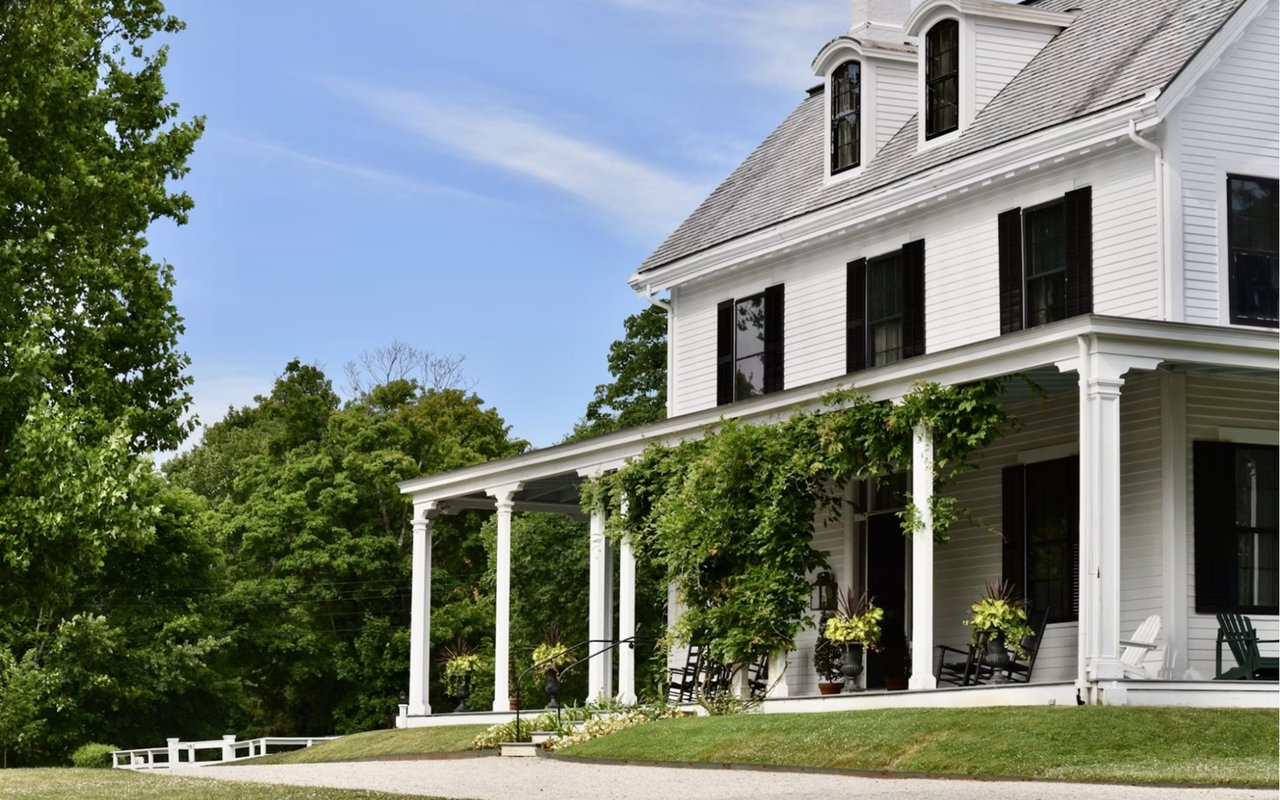
East Providence also offers many two‑ and three‑family wood‑frame buildings, with more favorable lot sizes and on‑site parking in many streets. Zoning is explicit: R‑6 districts allow one‑, two‑, and three‑family dwellings, while higher‑density multifamily appears in R‑5 zones in defined areas. Always confirm parcel zoning and permitted uses in the East Providence zoning code before modeling unit conversions.
What to verify before you offer
- Parcel zoning district, permitted unit count, and any overlay.
- Minimum lot area, parking requirements, and exterior access.
- Egress, fire alarm or sprinkler triggers for planned renovations, especially on older three‑families.
- Certificate of occupancy status for each unit.
Underwriting inputs you can trust
Use conservative baselines, then test sensitivity by neighborhood and condition. As a starting point for 2–4 unit underwriting in Providence County:
- Vacancy and credit loss: 5% to 8% depending on condition and location.
- Management: about 8% to 12% of collected rent for third‑party management on small properties, plus leasing fees. See typical ranges in Buildium’s guidance.
- Maintenance and repairs: 5% to 10% of gross rent for older small multifamily, plus capital reserves. Budget more if mechanicals and roof are near end of life.
- Taxes and insurance: verify each property’s current tax bill and policy quotes. City and ward can create real differences.
- Rents: pair market snapshots with HUD FMR floors from HUD’s Providence FMR table to avoid wishful thinking.
Financing: 2–4 units vs 5+ units
Two‑ to four‑unit properties are usually financed with residential products, including conventional and FHA for owner‑occupants. Recent agency updates have expanded owner‑occupied options, including a reported Fannie Mae path to 5% down on some 2–4 unit purchases. Review details and confirm lender overlays in trade coverage from The Mortgage Reports. Five‑plus units shift to commercial lending with DSCR and NOI‑driven underwriting.
Renovation and permitting realities
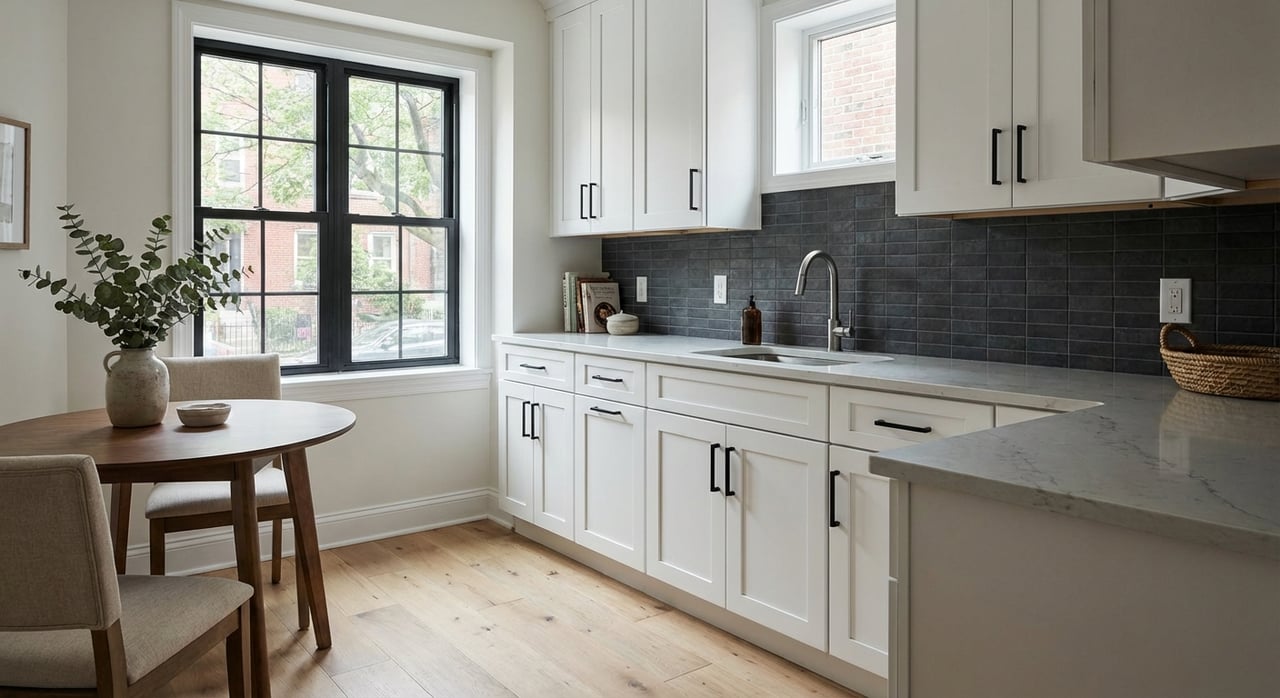
Older small multifamily assets in both cities often need system updates and unit refreshes to hit target rents. As ballpark planning ranges, a midrange kitchen update can run about $15,000 to $60,000 per unit depending on scope. Bathrooms can range about $6,000 to $25,000. Roofing replacements commonly land around $5,000 to $20,000+ depending on size and materials. A light cosmetic turn plus basic systems can come in under $20,000 per unit in modest cases, but deeper repositioning in the Northeast often moves to $30,000 to $80,000 per unit or more.
For pre‑1978 buildings, budget time and cost for lead‑safe work practices, disclosures, and any testing that arises as you scope renovations. The EPA’s RRP rule governs how contractors must handle paint disturbance in older housing; you can review the federal guidance in the EPA RRP overview. In Providence, plan carefully around any fire‑safety or egress triggers on three‑families, since those can change the math of a value‑add.
Quick compare: which fits your plan
- If you want lower entry pricing and simpler on‑site parking, consider East Providence. You will likely trade off a bit on headline rents but may gain a smoother path on exterior access and lot layout.
- If you want higher nominal rents and strong leasing velocity, consider Providence near hospitals, universities, or downtown. Expect tighter lots, more code planning, and wider pricing bands.
- If you plan to house hack a 2–4 unit, both cities can work. Owner‑occupied financing options may help you control the property with less down and build reserves for capex.
- If you seek pure cash flow with light renovations, target buildings with newer mechanicals and roofs, and stress test with HUD FMR floors.
- If you aim to reposition units for market rent, underwrite higher capex and add contingency. In Providence triple‑deckers, confirm any safety or egress work before you close.
Next steps
Every deal starts with the right comps, clear zoning, and a realistic scope. If you want neighborhood‑level rent comps, capex budgets, or a second set of eyes on DSCR and cash‑on‑cash, connect with The Blackstone Team for a private market consultation. Our team will help you compare specific blocks, validate rents and renovations, and shape an offer that fits your plan.
FAQs
What average rents should I model for a 2‑bedroom in each city?
- Providence’s citywide average across product types sits in the mid‑$2,500s, while East Providence averages roughly $1,900 to $2,100 across unit sizes. For conservative modeling, HUD’s FY2026 2‑BR Fair Market Rent is about $1,729 for the metro. See RentCafe Providence, RentCafe East Providence, and HUD FMR.
How much vacancy should I underwrite in Providence or East Providence?
- A 5% to 8% vacancy and credit loss assumption is a sensible starting range for small multifamily. Adjust by building condition, unit mix, and exact neighborhood.
Do Providence triple‑deckers need sprinklers when I renovate?
- Significant work on three‑unit buildings can trigger added fire‑safety requirements that affect feasibility. Validate code scope with the city before you close; local coverage explains how these safety costs can shift project economics for triple‑deckers. See this overview of triple‑deckers and safety economics.
What is a realistic per‑unit price benchmark in Rhode Island?
- Recent reporting placed the statewide 2025 median near $160,000 per unit for recorded multifamily deals. Use it only as a directional marker and rely on closed comps in your target neighborhood for offers.
What down payment is possible if I owner‑occupy a 3‑family?
- Trade coverage reports a Fannie Mae path to 5% down on some owner‑occupied 2–4 unit purchases. Program availability and lender overlays vary, so confirm details early with your lender. See The Mortgage Reports summary.
What renovation budget should I set per unit for value‑add?
- A light cosmetic and systems refresh can be under $20,000 per unit, while deeper repositioning that touches kitchens, baths, and major mechanicals can run $30,000 to $80,000 per unit or more in the Northeast. Always get itemized local bids before finalizing your pro forma.