Trying to choose between Providence’s East Side and Downtown? You are not alone. Both offer walkable streets, strong dining and arts, and easy access to the city’s best amenities, but the feel and housing options are very different. In this guide, you’ll compare home types, neighborhood vibe, walkability, parks, culture, commutes, and parking so you can match your lifestyle to the right address. Let’s dive in.
Area snapshot
East Side sits east of the Providence River and I-95, anchored by Brown University and RISD. It includes College Hill, Fox Point, Wayland Square, Blackstone Boulevard, and nearby pockets of Hope and Mount Hope. You’ll find historic streets, neighborhood commercial strips, and leafy parks. The feel is residential and storied.
Downtown is west of the river and includes the central business district plus the Jewelry District, Capital Center, Hospital and Medical District, and Waterplace or Promenade areas. It is the city’s mixed-use core with offices, theaters, retail, and a growing number of apartments and condos. The feel is urban and energetic.
Homes and buildings
East Side housing
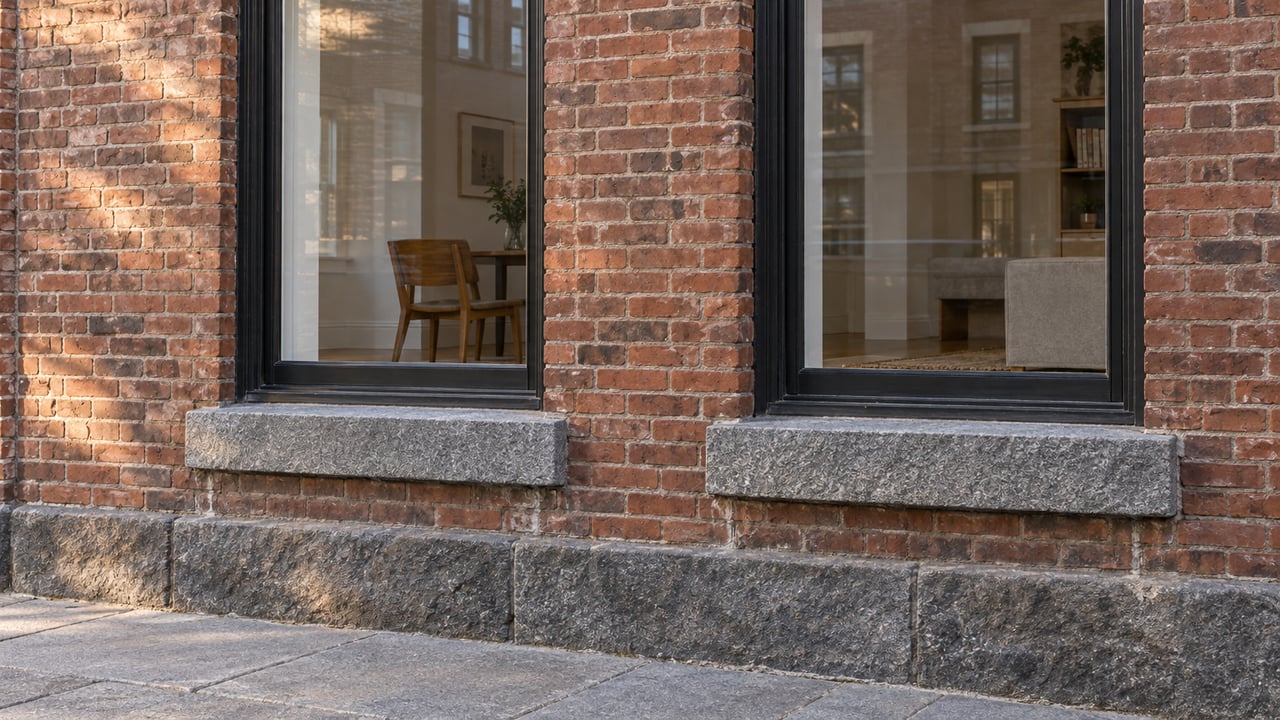
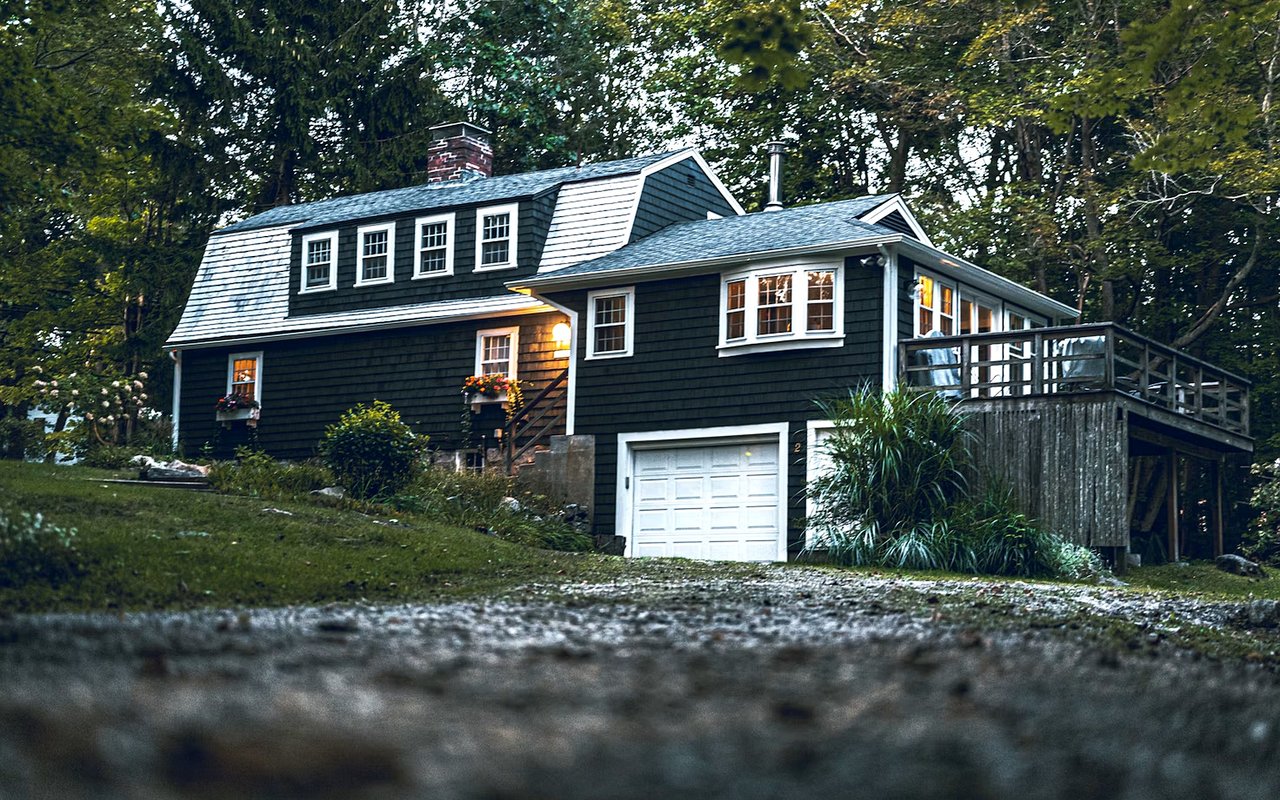
On the East Side, you’ll see many historic single-family homes. Styles include Victorian, Colonial, and Federal, especially around College Hill and along Benefit Street. There are wood-frame rowhouses, condo conversions, and some multi-family options in parts of Fox Point and Wayland. Many properties have architectural significance and may be within local historic districts.
Downtown housing
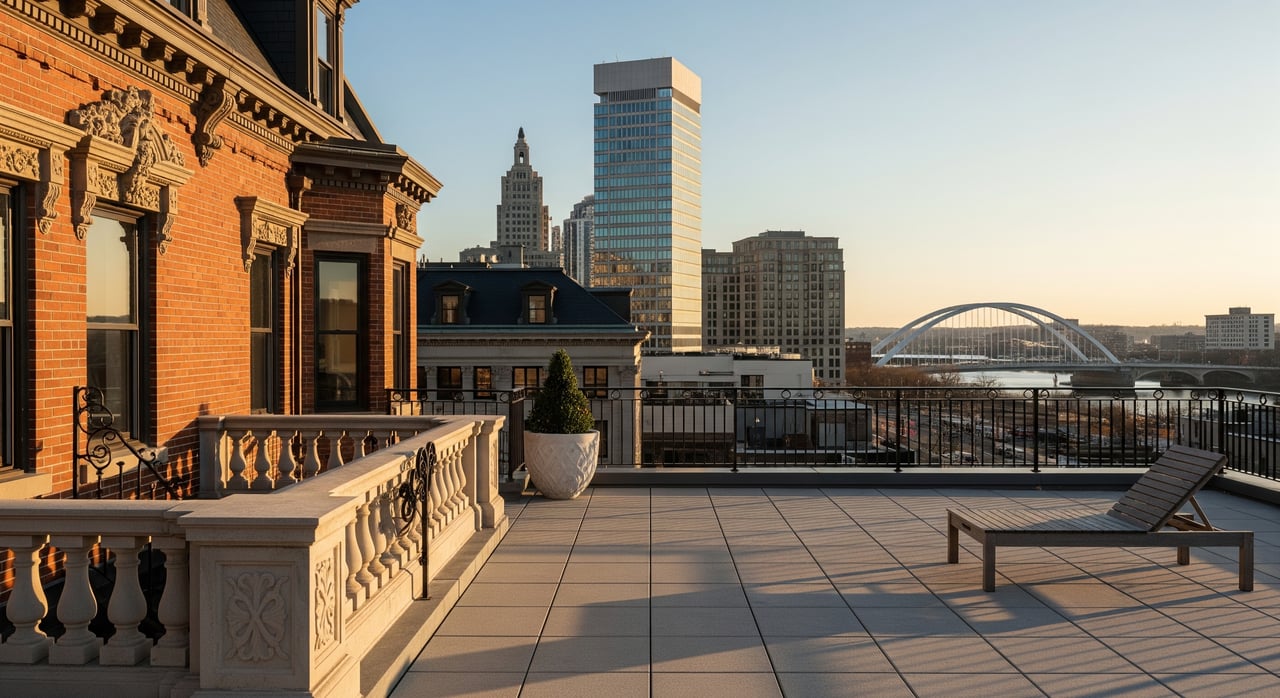
Downtown concentrates multi-family living. You’ll find adaptive-reuse lofts, mid- and high-rise condos, and apartment buildings over street-level retail. The rental market is strong, including newer luxury rentals and some short-term or serviced options. If you want an elevator building, on-site amenities, and a simple lock-and-leave lifestyle, Downtown offers a broad menu.
Pricing and availability
The East Side generally commands a premium within Providence due to its historic homes, proximity to universities, and desirable residential amenities. Inventory for larger, historic single-family homes is limited, which supports price resilience. Downtown ranges from entry-level condos and apartments to high-end units in newer developments. Some downtown buildings include HOA or amenity fees, which you’ll want to budget for alongside price.
Renovation and preservation
Historic-district guidelines on the East Side can shape renovation plans and materials. These rules help preserve the neighborhood’s character but can add steps to your project timeline. Downtown conversions and newer buildings often allow modern finishes and layouts, though landmarked structures and multi-family codes still apply. If renovations matter to you, compare permitting paths early.
Walkability and daily life
Errands and street feel
Both areas are very walkable compared with the suburbs. On the East Side, walkability clusters around Thayer Street, Wayland Square, and small nodes along Blackstone Boulevard. Streets are tree-lined with sidewalks and short blocks near College Hill and Thayer. Downtown’s walkability is continuous. You can step out for coffee, grab groceries, and reach offices or theaters within a few blocks.
Restaurants and nightlife
On the East Side, Thayer Street and Wayland Square offer independent cafés, casual restaurants, bakeries, and spots that serve the university crowd. Fox Point adds options near the waterfront by India Point Park. Downtown serves a wider span: full-service restaurants, bars, late-night choices, and higher-end dining near the river and Capital Center, along with mall or chain dining around Providence Place. Expect more evening foot traffic and nightlife downtown.
Arts and culture
The East Side brings campus and gallery energy. You can access university museums and galleries, including the RISD Museum and Brown-affiliated programming. Historic architecture along Benefit Street invites frequent walking tours. Downtown is the city’s cultural core for large venues and events. You’ll find major theaters, such as the Providence Performing Arts Center and Trinity Repertory Company, and city-scale happenings like WaterFire. Both sides offer rich arts access with different flavors.
Parks and green space
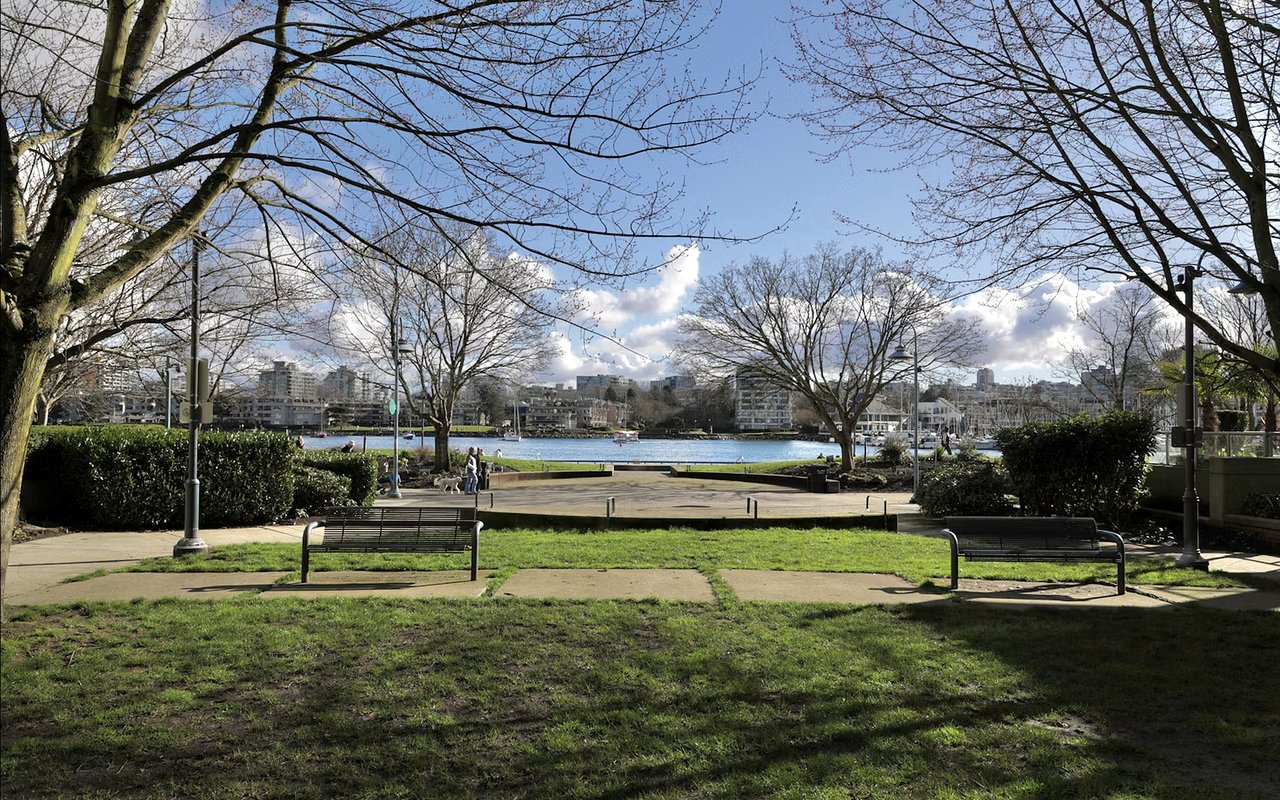
The East Side features India Point Park on the waterfront, the linear greenway along Blackstone Boulevard, and many small neighborhood parks. Streets tend to be shaded and residential. Downtown offers Waterplace Park, riverwalks, promenades, and plazas that host markets and events. You’ll find fewer expansive lawns downtown, but more programmed public spaces.
Commute and transit
Work patterns and options
From the East Side, commutes to downtown offices, hospitals, and universities are short. Many residents bike, bus, or walk, depending on where they live and work. If you work elsewhere in the metro area, you can connect to I-95 or I-195 or use transit hubs. Downtown residents often enjoy a walk-to-work commute within the core, which is a major draw for professionals who value proximity to offices and evening amenities.
Public transit and rail
RIPTA bus routes serve both the East Side and Downtown, with Downtown acting as a central hub. Providence Station sits close to Downtown and offers Amtrak and MBTA commuter rail service, including the Providence–Boston corridor. The city has invested in bike lanes and shared-use paths, and micro-mobility options such as scooters and bikes have expanded first and last mile choices.
Driving and parking
On the East Side, you’ll typically find on-street parking in residential areas. Some streets have permits or meters, and many single-family homes include off-street parking or garages. Narrow, historic streets in parts of College Hill can make parking and snow clearing tighter. Downtown has limited free street parking. Metered spots and commercial garages or lots are the norm, and many buildings offer assigned spaces or garage access at an added cost. If you drive daily, factor garage availability and fees into your decision.
Lifestyle trade-offs
Quiet character vs urban energy
The East Side feels quieter, with tree-lined streets and historic homes. If you want a neighborhood feel and classic architecture, it is a strong fit. Downtown is more active at most hours with steady foot traffic, deliveries, and event nights. If you want to be close to theaters, restaurants, and office towers, it is hard to beat.
Home maintenance vs amenities
The East Side leans toward single-family ownership with associated upkeep and, in some cases, preservation considerations. Downtown often means condo or apartment living with shared services and on-site amenities. If you prefer to trade yard work for a gym and concierge, Downtown offers many choices. If you want a yard, period details, and more space, the East Side delivers.
Budget and inventory
Large, historic East Side homes are sought after and often command premium prices within Providence. Downtown offers a range of price points across condos and rentals, though some buildings include HOA and amenity costs. Inventory types also differ: East Side listings may be limited at times for certain styles or sizes, while Downtown continues to add apartments and condos through infill and adaptive reuse.
Neighborhood checklists
Prioritize the East Side if you want
- A historic single-family home with architectural character
- Quieter, tree-lined residential streets and small parks
- Walkable pockets like Thayer Street and Wayland Square
- Easy access to campus galleries and neighborhood cafés
- A short bike, bus, or drive to Downtown offices
Prioritize Downtown if you want
- A short walk-to-work lifestyle in the city core
- A wider array of full-service restaurants and nightlife
- On-site amenities and newer multifamily buildings
- Major theaters, museums, and city-scale events nearby
- Strong transit access plus proximity to Providence Station
Development context to watch
Downtown has grown through infill projects, adaptive reuse, and purpose-built residential buildings tied to demand for urban living. Growth in the Hospital and Medical District and life-sciences activity in and around the Jewelry District has supported downtown housing demand. On the East Side, preservation and historic-district oversight can shape renovation and new construction, which influences supply and helps maintain neighborhood character.
How to choose your fit
Start with your daily rhythm. If your work, dining, and entertainment are concentrated downtown, the convenience of a short walk and a building with amenities may outweigh the cost of garage parking. If you value architectural history, a yard, and quieter evenings, the East Side delivers a classic neighborhood experience with easy access to parks and campus arts.
Next, audit your practical needs. Compare commute times and modes, parking access, and noise levels on specific blocks. Review building rules, HOA fees where applicable, and any preservation guidelines for historic properties. Ask about event calendars, such as university events or WaterFire nights, to understand peak activity.
Finally, tour both areas at different times of day. Visit Thayer Street and Wayland Square for the East Side vibe, then walk the riverwalks, Waterplace Park, and the Theater District at dusk to feel Downtown’s energy. Your choice will be clear once you match the daily details to your priorities.
Work with a local guide
If you are weighing these trade-offs, a neighborhood-focused agent can help you translate lifestyle needs into a short list of buildings and blocks. Our team knows the nuances of East Side historic homes and Downtown’s evolving condo and apartment scene, from parking realities to preservation rules and HOA policies. With team-based service and proven performance on high-profile East Side sales, we make a complex choice feel simple.
Ready to compare specific homes, buildings, and streets that fit your lifestyle? Connect with The Blackstone Team to schedule a private market consultation.
FAQs
Which area is more walkable for daily errands in Providence?
- Downtown offers continuous walkability across restaurants, shops, and offices, while the East Side has highly walkable pockets like Thayer Street and Wayland Square.
What types of homes dominate the East Side vs Downtown?
- The East Side features historic single-family homes and some multi-family or condo conversions, while Downtown focuses on apartments, condos, and adaptive-reuse lofts.
How does parking differ between East Side and Downtown?
- East Side streets often allow on-street parking with some permits and private driveways, while Downtown relies more on meters and garages, sometimes at additional cost.
Where are Providence’s major arts venues and events located?
- Major venues and large events cluster downtown, while the East Side offers university museums, galleries, and historic architecture tours.
Is either area better for a short commute to downtown offices?
- Both work well: Downtown offers walk-to-work convenience, and the East Side provides short bike, bus, or drive commutes to the core.
Are there renovation restrictions on East Side homes?
- Many East Side properties sit in historic districts that follow preservation guidelines, which can influence renovation scope and materials.