Love the look of a fan‑lighted doorway, slate roof, or a wraparound porch, but not sure what that means for upkeep and permits? You’re not alone. Buying a historic home on Providence’s East Side is exciting, yet it comes with unique systems, rules, and renovation choices. In this guide, you’ll learn how to recognize key architectural styles, plan smart inspections, navigate approvals, and protect resale value. Let’s dive in.
What “East Side” Means
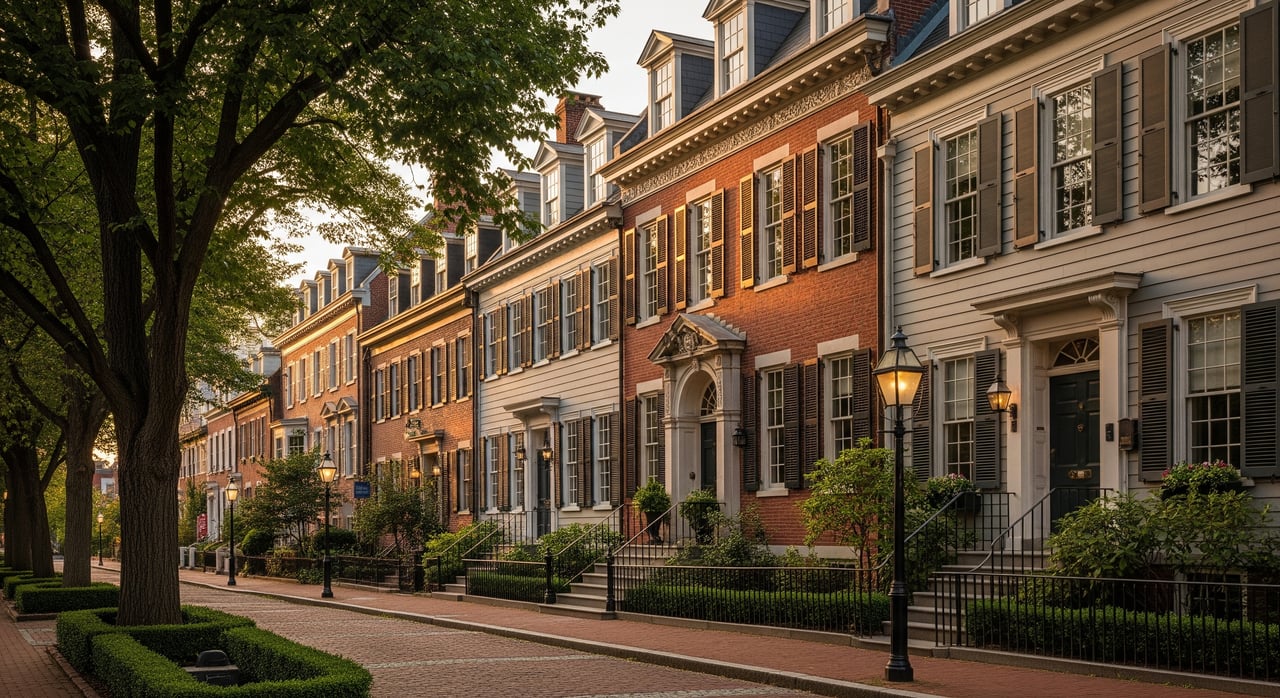
When locals say “East Side,” they typically mean College Hill, Wayland/Blackstone, and Fox Point. College Hill is one of the country’s most intact early American neighborhoods, with many properties inside local and national historic districts. That local status matters because the Providence Historic District Commission reviews exterior work in designated districts and issues certificates of appropriateness for regulated projects.
If you plan to replace windows, alter a porch, or add an addition, start by reviewing the city’s procedures on the Providence Historic District Commission page. You can also explore state resources through the Rhode Island Historic Preservation & Heritage Commission for surveys, guidance, and program updates.
Architecture You’ll See
Federal and Georgian
- Visual cues: Symmetrical fronts, central doors with fanlights, narrow‑muntin windows, clapboard or brick.
- Construction: Wood frame or masonry with plaster interiors and masonry chimneys.
- Maintenance: Watch for aging plaster, original wood windows, brick repointing, and possible lead paint in trim.
- Layout feel: Central hall with formal rooms on each side; smaller service spaces; lower upper‑floor ceilings.
- Resale: Very desirable. Preserving original entryways, mantels, and windows supports value in historic districts.
Greek Revival
- Visual cues: Gabled pediments, pilasters, columns, and strong cornices, often painted white.
- Construction: Typically clapboard over wood framing.
- Maintenance: Monitor moisture at entablatures and trim to prevent rot.
- Layout feel: Similar to Federal but often with taller ceilings and slightly larger rooms.
- Resale: Classical details and crisp proportions create strong curb appeal when maintained.
Victorian: Italianate, Second Empire, Queen Anne
- Visual cues: Italianate has bracketed cornices and tall windows; Second Empire features mansard roofs; Queen Anne favors asymmetry, bay windows, turrets, and patterned shingles.
- Construction: Balloon or platform framing with decorative millwork; slate or metal roofs common on higher‑style homes.
- Maintenance: Extensive exterior trim needs consistent paint and repair; slate roofs are durable but specialized; older wiring and minimal insulation are possible.
- Layout feel: More rooms and formal spaces with smaller footprints and multiple staircases.
- Resale: High curb appeal for detail‑minded buyers. Plan for restoration budgets that respect original exteriors.
Colonial Revival and Shingle Style
- Visual cues: Colonial Revival shows symmetry and classical details; Shingle Style uses continuous shingles with complex rooflines and simpler ornament.
- Construction: Wood frame with porches and larger footprints.
- Maintenance: Porch structure, shingle/clapboard lifecycle, and older single‑pane windows are common focal points.
- Layout feel: Transitional interiors with larger rooms and better flow than pure Victorian plans.
- Resale: Popular with buyers who want history plus livability.
Richardsonian Romanesque and Brownstone
- Visual cues: Heavy stone or brick, rounded arches, dramatic massing.
- Construction: Load‑bearing masonry with deep foundations.
- Maintenance: Tuckpointing and stone repair are specialized; watch moisture at sills and lintels.
- Layout feel: Generous rooms and high ceilings.
- Resale: Distinctive and often top tier. Budget for professional masonry restoration.
Early to Mid‑Century Homes
- Visual cues: Simpler lines from 1920s to 1960s, including early ranch or Cape forms and some Modernist infill.
- Construction: More modern systems by default, often already upgraded.
- Maintenance: Potential for outdated HVAC or single‑pane windows, but typically easier to adapt for open layouts.
- Layout feel: More open than Victorian with moderate ceiling heights.
- Resale: Appeals to buyers seeking a historic setting with easier modernization.
Inspections That Matter
Older homes reward careful due diligence. Before you fall in love with a turret or a central hall, line up the right experts and focus on big‑impact systems.
- Roof and drainage: Check slate, cedar, or asphalt condition, flashing, gutters, and any signs of water intrusion.
- Foundation and structure: Review fieldstone or masonry foundations for cracks, mortar condition, settlement, and water entry.
- Exterior envelope: Look for wood rot, paint failure, insect damage, and potential lead on pre‑1978 painted surfaces. The EPA’s lead guidance explains disclosure rules and safe renovation practices.
- Chimneys and flues: Verify crowns, liners, and straightness for safety and cost.
- Electrical: Identify knob‑and‑tube or two‑prong systems and service size. Old wiring can trigger insurance or lender conditions.
- Heating and cooling: Evaluate boilers, steam or hot‑water systems, and distribution piping. Historic steam systems often need specialists.
- Plumbing: Note galvanized supply lines, cast‑iron or clay drains, and any leak history. A sewer scope can reveal costly surprises.
- Insulation and energy: Expect minimal original insulation and single‑pane windows. Plan upgrades that balance comfort with preservation.
- Hazards and air quality: Test for asbestos in older materials as part of planned renovations. The EPA’s radon guidance explains why testing is a smart step in Rhode Island.
Rules, Permits, and Incentives
If a property sits in a local historic district, exterior changes visible from the street typically require review. Start with the city’s process outlined by the Providence Historic District Commission to confirm what is regulated and how to apply.
For statewide programs and technical resources, check the Rhode Island Historic Preservation & Heritage Commission. Owners of income‑producing certified historic buildings may be eligible for the federal rehabilitation tax credit, detailed by the National Park Service. Private residences usually do not qualify for this federal credit. For best‑practice guidance on preservation work and project planning, explore resources from the National Trust for Historic Preservation and Historic New England.
Renovation Planning Tips
Historic homes benefit from a phased approach. Stabilize structure and envelope first, modernize mechanicals second, then address interior finishes. This sequence protects your investment and can prevent rework.
- Exterior envelope: Slate roofs, custom millwork, and masonry repointing are significant cost drivers. Budget for professional trades with historic experience.
- Mechanicals: Converting from oil to gas, replacing boilers, or adding efficient HVAC requires careful routing to avoid harming historic fabric.
- Windows: Repairing original wood windows with weatherstripping and storm windows can be cost‑effective and appropriate for districts. Custom replacements that match historic profiles are often expensive and may require approval.
- Insulation and air sealing: Start with the attic and focus on air sealing to reduce moisture risk. Work with pros who understand older assemblies.
Resale Considerations in Providence
East Side homes command a premium because of location, historic character, and proximity to major institutions. Historic designation can support stable values while limiting some exterior modifications and adding restoration complexity.
Preserving defining features like staircases, mantels, and trim usually enhances marketability. Conversely, visible alterations that conflict with historic fabric can face regulatory challenges and reduce buyer appeal. Transparency around expected maintenance, especially for slate roofs and exterior woodwork, helps attract the right buyers when you sell.
Due Diligence Checklist
Use this quick roadmap to stay organized.
Before you write an offer
- Confirm historic district status and any local design guidelines.
- Book a general home inspection with a pro experienced in older properties.
- Review seller disclosures for lead paint, structural work, or insurance claims.
- Check site risk, especially if near the waterfront, using the FEMA Flood Map Service Center.
During your contingency period
- Structural engineer if settlement or foundation issues are flagged.
- Roofing specialist for slate, metal, or complex roof systems.
- Chimney and flue inspection.
- Electrical evaluation for knob‑and‑tube or undersized service.
- Sewer scope to assess older drains.
- Lead and asbestos testing where relevant and before renovation.
- Preservation architect or historic consultant if you plan major exterior or interior changes.
Negotiation levers
- Make inspection contingencies and timelines specific.
- Consider repair escrows or seller credits for large items like roofs, foundations, or lead stabilization.
- When possible, obtain written scopes and bids to support requests.
How a Local Team Helps
Buying a historic East Side home is part architecture tour and part project management. A collaborative team can streamline the process by:
- Coordinating specialists early, including historic‑savvy inspectors, structural engineers, and slate or masonry experts.
- Clarifying historic district rules and pre‑scoping proposed exterior changes with the appropriate authorities.
- Providing comparable sales tailored to condition, restoration level, and block‑by‑block context.
- Writing strong contingencies and negotiating credits or repairs based on expert findings.
- Forecasting long‑term costs, from boiler replacement to repointing cycles.
- Referring preservation‑capable contractors and guiding you through permits.
Ready to explore College Hill, Wayland/Blackstone, or Fox Point with confidence? Schedule a private market consultation with The Blackstone Team for expert, locally rooted guidance.
FAQs
What defines Providence’s East Side historic districts?
- Local districts include parts of College Hill and other areas where exterior work visible from the street is regulated by the city’s commission. Review the process on the Providence Historic District Commission page for specifics on applications and approvals.
Do I need a permit to replace windows on College Hill?
- If the property is in a local historic district, window replacements typically require review and a certificate of appropriateness; start with the Providence Historic District Commission and consult a preservation‑savvy contractor.
Are there tax credits for owner‑occupied historic homes?
- Federal rehabilitation tax credits focus on income‑producing certified historic structures, not most private residences; see the National Park Service overview and check the Rhode Island Historic Preservation & Heritage Commission for any current state or local programs.
What inspections are most important for East Side Victorians?
- Prioritize roof and drainage, chimneys, electrical wiring, steam or hydronic heating systems, and exterior millwork, then add sewer scoping and hazard testing for lead and asbestos as needed.
How do lead paint rules affect older Providence homes?
- Federal law requires sellers of pre‑1978 homes to share the EPA lead hazard information and disclose known issues; buyers should review the EPA’s lead guidance and plan testing or stabilization before renovations.
Is flood insurance a concern in Fox Point?
- Parts of Fox Point and waterfront areas can fall within mapped flood zones; check the FEMA Flood Map Service Center to determine flood risk, potential insurance needs, and any elevation or building requirements.