Are you looking at your backyard and wondering how to make it more usable in Cranston’s stop-and-start weather? You are not alone. In a city where rain, snow, summer sun, and cool shoulder seasons all shape how you live outside, the best outdoor upgrades are the ones that feel practical, comfortable, and easy to maintain. If you want ideas that work for everyday living and still support long-term appeal, this guide will walk you through smart options for Cranston homes. Let’s dive in.
Start With Cranston’s Climate
Outdoor living in Cranston works best when you plan for all four seasons. Nearby NOAA climate normals for Providence T.F. Green Airport show an annual mean temperature of 52.1°F, about 47.54 inches of precipitation, and 36.6 inches of snowfall each year.
That means your yard design should do more than look good in July. It should also hold up through freeze-thaw cycles, rainy stretches, and chilly spring and fall evenings. In many cases, cover, drainage, and durable materials matter just as much as furniture or decor.
Prioritize Multi-Season Comfort
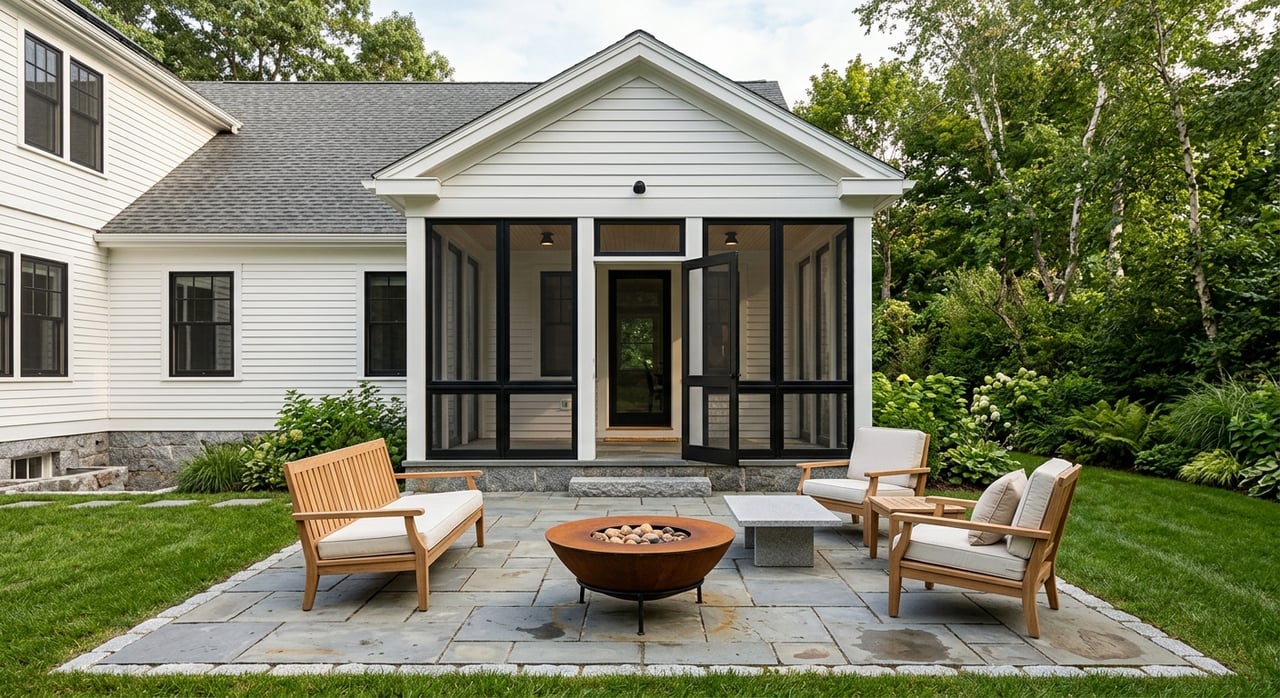
One of the smartest ways to improve outdoor living in Cranston is to create a space you can enjoy beyond peak summer. A patio with overhead cover, a screened porch, or a three-season room can help you use the space more often when wind, bugs, or light rain would otherwise send you indoors.
This approach also fits the way many homeowners actually live. Instead of building one highly specialized feature, you can create a flexible area for morning coffee, casual dinners, reading, or hosting friends. That kind of everyday function often matters more than a dramatic design statement.
Covered Patios and Roofed Seating
A covered patio is often a strong choice for Cranston homes because it gives you shade in summer and shelter during light rain. It can also make the yard feel more finished without requiring a major overhaul of the entire property.
If you are thinking about resale, covered seating tends to photograph well and show clear purpose. Buyers often respond to spaces that feel ready to use, especially when they can imagine themselves enjoying them across more than one season.
Screened Porches and Three-Season Rooms
Screened porches and enclosed three-season spaces are especially useful in Rhode Island’s shoulder months. They offer a comfortable middle ground between being fully outside and fully indoors.
For many Cranston homeowners, this can be a practical upgrade rather than a flashy one. Cranston’s 2024 comprehensive plan says the median year a housing unit was built is 1958, which suggests many properties may benefit more from durable, low-maintenance improvements than from highly customized outdoor builds.
Build Around Everyday Use
The best outdoor spaces are usually organized around how you actually spend time at home. Instead of treating the yard as one big open area, it can help to think in zones.
A strong layout might include:
- A place to dine or grill
- A seating area with shade or cover
- A patch of lawn or open space for general use
- A simple storage or screening element
- Clear pathways between each area
This kind of flexible setup aligns with what buyers say they want. Zillow’s 2024 housing trends survey found that 70% of buyers rated private outdoor space, such as a patio, deck, or yard, as very or extremely important.
Keep the Layout Simple
You do not need a huge yard to make outdoor space feel useful. Even a modest lot can work well when each area has a purpose and the overall layout feels clean.
Try to avoid crowding the yard with too many separate features. In many cases, one well-planned dining area, one comfortable seating area, and one open-use zone will feel more inviting than a yard packed with competing elements.
Choose Low-Maintenance Materials
Cranston’s weather makes material choice especially important. Patios, walkways, retaining details, and similar hardscape features should be selected with durability and upkeep in mind.
Freeze-thaw conditions can be hard on outdoor surfaces, so it is worth focusing on materials and installation methods that are designed for New England conditions. A good-looking patio is only helpful if it also performs well after a wet fall and a snowy winter.
Don’t Ignore Drainage
Drainage should be part of the design from the beginning. Cranston participates in Rhode Island’s Phase II stormwater program, which is aimed at reducing pollutants from storm sewer systems and supporting stormwater management planning.
For homeowners, the practical takeaway is simple: runoff-aware design matters. Thoughtful grading and, where appropriate, permeable materials can help your yard function better and reduce common issues like pooling water, muddy edges, and erosion.
Add Plantings That Fit Rhode Island Conditions
Planting beds can do a lot of work in an outdoor living plan. They soften hardscape, create privacy, support pollinators, and make a yard feel finished without adding much daily effort once established.
Rhode Island’s USDA plant hardiness map includes zones 6a, 6b, and 7a. USDA also notes that wind, soil moisture, snow, and winter sunshine affect plant survival, so your yard’s microclimate matters just as much as the zone number.
Use Native and Pollinator-Friendly Plants
If you want planting ideas that fit local conditions, the University of Rhode Island’s Rhode Island Native Plant Guide is a helpful framework. It was designed to help backyard gardeners choose native plants based on factors like sun, shade, drought tolerance, wind tolerance, coastal exposure, bird habitat, and pollinator value.
For pollinator-friendly beds, the URI Bee Lab recommends using a diversity of flowers, planting in dense patches, and choosing varieties that bloom across the season. Examples it highlights include butterfly milkweed, blazing star, purple coneflower, common milkweed, goldenrod, and New England aster.
Think in Layers
A layered garden often feels more polished and manageable than scattered individual plantings. You might use a simple mix of lower flowering perennials, medium-height grasses or shrubs, and a clean bed edge to define the space.
This can work especially well along patios, fences, and walkways. It gives structure to the yard while keeping the overall look calm and easy to maintain.
Consider Fire Features Carefully
A fire pit can be a nice addition for cool evenings, but it should be approached with care. In Rhode Island, homeowner burning on property you own is regulated by local ordinances, and the Cranston Fire Department handles fire prevention and public safety questions.
That means there is no one-size-fits-all answer. Placement, fuel type, lot size, and surrounding conditions all matter, so it is important to confirm local requirements before adding a fire feature.
Know When Permits May Apply
Many outdoor projects seem simple at first, but they can still trigger permit or zoning review. Cranston’s Building Inspections and Zoning office says permits are required to construct, enlarge, alter, remove, or demolish a structure, while ordinary repairs are generally exempt.
The city’s permit materials specifically reference outdoor features like decks, pergolas, gazebos, sunrooms, screen rooms, three-season rooms, open porches, pools, and spas or hot tubs. If a project changes the footprint, placement, or structure of an improvement, it is wise to check local requirements early.
Use Properly Licensed or Registered Contractors
Cranston also states that any contractor working on another person’s home must be licensed or registered by Rhode Island. This is especially important for outdoor projects that involve carpentry, masonry, or electrical work.
Hiring the right professionals can help you avoid delays, safety issues, and rework. It can also make the planning process much smoother when a project needs formal review.
Keep Resale in Mind Without Overbuilding
Outdoor improvements can support resale appeal when they feel usable, tidy, and easy to care for. The strongest value is often lifestyle value first. A space that looks good, functions well, and fits daily life can make a strong impression on future buyers.
In Cranston, that often means focusing on practical upgrades instead of overcomplicated ones. Covered seating, simple lighting, clean garden edges, and flexible open space tend to appeal to a wide range of buyers without locking the yard into one narrow use.
Features That Often Read Well
If you want your outdoor space to feel attractive now and marketable later, consider improvements like:
- A defined dining or grilling area
- Covered seating for multiple seasons
- Tidy, low-maintenance planting beds
- Clear walkways and usable lawn space
- Simple exterior lighting
- Durable surfaces with good drainage
These features help the yard feel intentional. They also make it easier for buyers to understand how the space can fit into everyday life.
A Smart Outdoor Plan for Cranston Homes
The best outdoor living ideas for Cranston homeowners are rarely the most elaborate ones. More often, they are the upgrades that make your home easier to enjoy in real life: a covered place to sit, a simple garden that fits local conditions, durable surfaces that handle weather well, and a layout that gives everyone space to gather or unwind.
If you are thinking about improving your yard before a sale, or you want to understand which updates are most likely to support your home’s appeal in today’s market, local guidance makes a difference. For tailored advice on how outdoor living features fit into your property’s bigger picture, schedule a private market consultation with The Blackstone Team.
FAQs
What outdoor living upgrades make sense for Cranston homes?
- Covered patios, screened porches, three-season rooms, simple dining areas, low-maintenance hardscaping, and native planting beds often make sense because they fit Cranston’s four-season climate and support everyday use.
Do outdoor projects in Cranston require permits?
- Some do. Cranston says permits are required to construct, enlarge, alter, remove, or demolish a structure, and city materials specifically reference features like decks, pergolas, gazebos, sunrooms, screen rooms, three-season rooms, open porches, pools, and spas or hot tubs.
Are fire pits allowed for homeowners in Cranston?
- Fire features should be approached carefully. Rhode Island says homeowner burning on property you own is regulated by local ordinances, and the Cranston Fire Department handles fire prevention and public safety questions.
What plants work well in Cranston yards?
- Rhode Island native plants are a strong option, especially when chosen for your yard’s sun, shade, wind, and moisture conditions. URI resources suggest looking at native species and pollinator-friendly flowers that bloom across the season.
Why does drainage matter for Cranston outdoor spaces?
- Drainage matters because Cranston gets regular precipitation and winter weather, and poor runoff control can lead to pooling water, muddy areas, and wear on hardscape. Runoff-aware design and thoughtful grading can help outdoor spaces perform better over time.
Can outdoor living space help with resale in Cranston?
- It can support buyer appeal when the space is neat, flexible, and easy to maintain. Zillow’s 2024 survey found that private outdoor space remained very or extremely important to many buyers, but it is best to think in terms of usability and presentation rather than a guaranteed return.